On-line Resource Hub:
Best Practice Forum Africa
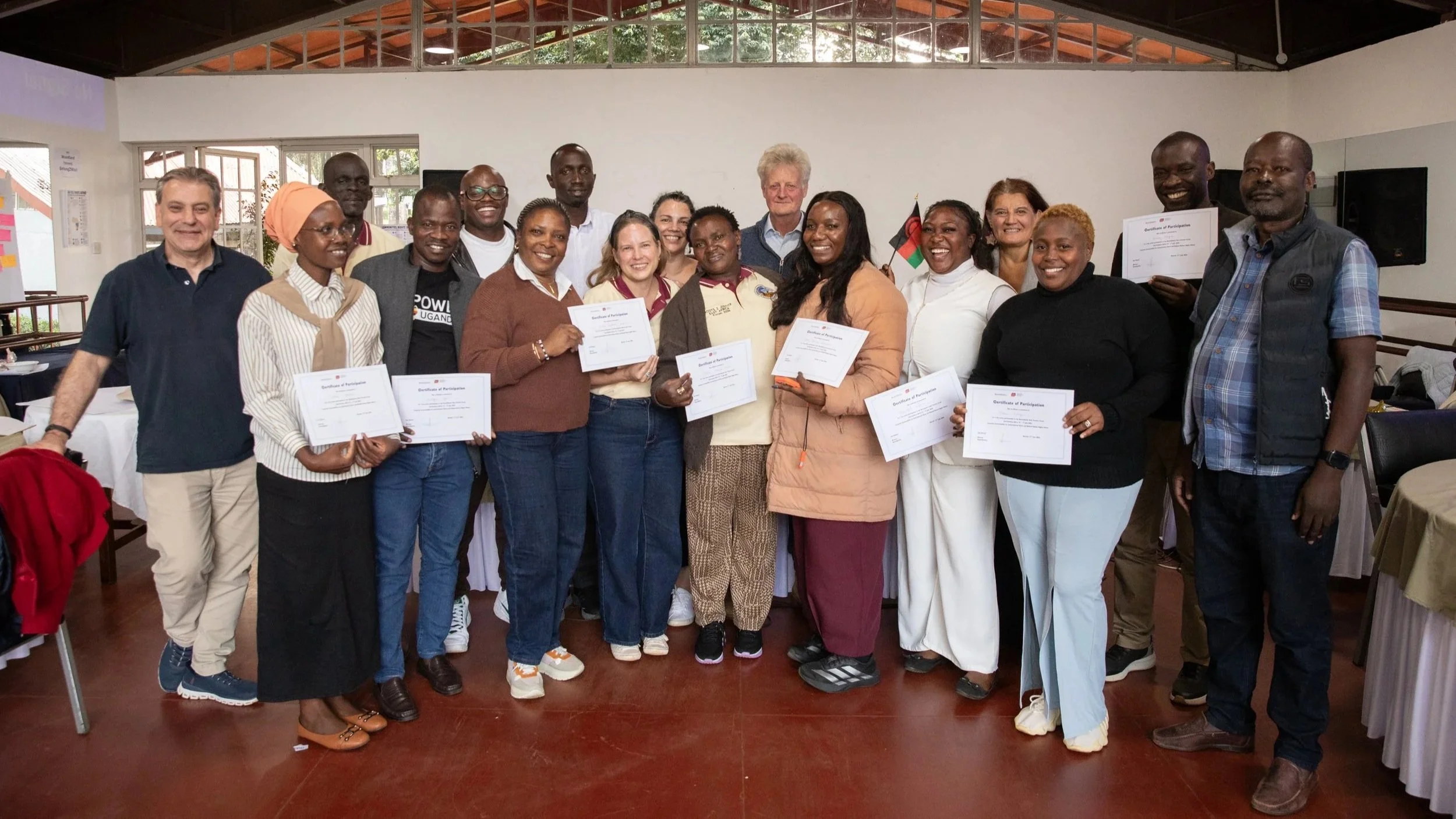
Dates: Wednesday 15 July – Friday 17 July 2026.
Venue: Brackenhurst Conference Centre, Limuru Town, Kenya.
Participants: 17 lawyers and community activists from the Democratic Republic of Congo (DRC), Kenya, Malawi, South Africa, Tanzania, Uganda, and Zimbabwe.
On-line Resource Hub: East and Southern Africa
‘CORPORATE ACCOUNTABILITY FOR ENVIRONMENTAL HARM AND RELATED HUMAN RIGHTS ABUSES’
In July 2026, Roots2Justice hosted its latest three-day Best Practice Forum, this time in Kenya at the Brackenhurst Conference and Retreat Centre – the third such Forum the organization has successfully run, following previous editions in Latin America and Asia. The Forum brought together grassroots leaders, legal practitioners, and community activists from Eastern and Southern African countries - Kenya, Uganda, Tanzania, the Democratic Republic of Congo (DRC), Malawi, South Africa and Zimbabwe – who are confronting environmental harm and related human rights violations to share experiences, legal strategies, and tools.
The Forum provided a peer learning participatory space in which judicial and non-judicial strategies could be discussed and exchanged and in which participants could learn and share information on legal challenges in different jurisdictions. The Forum provided an opportunity to forge links across different countries and aimed at strengthening the resilience of Indigenous, rural, and frontline communities. As with previous Forums, sessions were led by a mix of grassroots leaders and legal experts and sought to foster peer learning, legal empowerment, and network-building. On this occasion speakers included the delegates from the seven African countries present and, the UK, the United States of America (USA), Germany and Australia.
The program was structured around several key legal challenges that were reflected in the applications of candidates applying to attend the Forum. The event was an engaging, friendly experience in which all participants were able to share their experiences, learn from each other, build new alliances and gain new ideas.
The 5 key themes cutting across participants cases were:
• Land dispossession/evictions and failures of Free, Prior and Informed Consent (FPIC);
• Environmental harm and human rights abuses linked to mining and large-scale infrastructure projects;
• Accountability of International Financial Institutions;
• Environmental harm and human rights abuses linked to carbon credit projects, conservation projects, ‘land grabs’; lack of benefit sharing in respect of green energy projects, and,
• Intersections with women’s and workers’ rights.
Additional legal challenges identified by participants’ included:
• Difficulties of bringing legal proceedings in domestic courts due to judicial delays and lack of training; high litigation costs; language and distance to courts;
• Corporate power imbalance and difficulty navigating corporate structures;
• Strategic Litigation Against Public Participation (SLAPPs) lawsuits and criminalization of lawyers and community activists;
• Gathering the evidence required to prove the relevant harm and the liability of all companies involved; and
• Corruption and weak enforcement of existing environmental legislation and standards.
The agenda prioritized peer learning and participant case-sharing. Each day was organized around a central theme:
• Day 1 — Understanding the Landscape: Cases, Challenges at the Domestic Level
• Day 2 — Legal Strategies: Regional, and International
• Day 3 — Practical Application, Protection, and Moving Forward
Day 1 — Understanding the Landscape: Cases, Challenges at the Domestic Level
Day 1 established the foundation for the workshop by mapping the participants’ cases, identifying common challenges and their expectations of the forum, and building shared understanding of how environmental harm and related human rights abuses manifests across the region. It focused on three of the most widely shared themes among participants: land dispossession, mining and the negative impacts of carbon credit/green schemes. While the focus of Day 1 was to bring cases and exploring these issues at the domestic level, participants were encouraged to discuss all actions they were taking in relation to the three themes of the day.
Session 1: Case-Sharing Session: Challenges in seeking justice in cases of land dispossession, forced evictions, and failures to uphold FPIC rights
This session examined land dispossession, forced evictions and failures to obtain FPIC rights in Uganda and Kenya. Through community case studies, speakers explored legal remedies, historical land claims, corporate accountability and the growing use of restrictive laws and SLAPP procedures against environmental and human rights defenders. A panel discussion then synthesized these threads, comparing enforcement gaps in Uganda’s constitutional protections on Kenya’s land claims, and examined the use of SLAPP tactics against activists opposing projects like the East African Crude Oil Pipeline (EACOP). The session closed with participants’ discussion on cross-border legal remedies, judicial independence, and international due-diligence laws as emerging avenues for accountability.
Chair: Richard Lord - Roots2Justice co-founder and barrister at Brick Court Chambers
Speakers:
Keneth Onoba – Lawyer Kiboga/Kyankwanzi - Uganda - Duration: 24.13 min
Claret Pamua Leiro - Leiro & Company Advocates - Kenya -
Christopher Opio -ORRA - Uganda -
Session 2: Case-Sharing Session: Environmental Harm and Human Rights Abuses linked to mining and large-scale infrastructure projects
This session explored the environmental and human rights impacts of mining and large-scale infrastructure projects in the DRC and South Africa. Through case studies, speakers highlighted corporate accountability, environmental degradation, community displacement, barriers to justice, and the challenges of enforcing legal protections despite strong legislative frameworks. The Q&A’s on both talks surfaced shared challenges: communities reluctance to litigate due to cost and delay, threats to human rights defenders, and the need for community education, funding partnerships, and cross-country strategy sharing.
Chair: Nicki Lees - Maurice Blackburn Lawyers
Speakers:
Marline Basimine – Director of the Mouvement d’Action pour la Gouvernance Inclusive des Communautés (MAGIC asbl) - DRC – Peter Drury – interpreter.
Sbonelo Nkomo – Richard Spoors Advocates – South Africa
Session 3: Case-Sharing: Carbon credits, conservation ‘land grabs’ & lack of benefit sharing in green projects; including tourism projects
This session examined how Kenya’s carbon credit and conservation projects intersect with Indigenous land rights, community engagement, and corporate accountability. The moderator framed global carbon markets as largely greenwashing, citing the vast gap between climate financing and fossil fuel subsidies and the reliance on self-reporting and, weak emissions data verification processes. Three speakers grounded this critique in Kenyan cases. Discussion closed on elite capture in community governance, transparency gaps in Kenya’s carbon registry, and calls for greater corporate accountability and enforcement of African Court decisions. The discussion closed on elite capture in community governance, transparency gaps in Kenya’s carbon registry, and calls for greater corporate accountability and enforcement of African Court decisions.
Chair: Peter Drury
Speakers:
Patience Mutunga – Zamara Foundation - Kenya
Gitahi Githuku – American Jewish World Service – Kenya
John Lengusuranga - Samburu Women Trust – Kenya
Session 4: Group discussion
In this session, participants worked in small groups to reflect on how the challenges and issues raised in the case presentations related to their own case work.
Chair: Peter Drury - Roots2Justice
Key themes discussed and recommendations by group:
Group 1: Recommended forming multidisciplinary organizations (including awyers, social workers, etc.) and flagged how corporations/States divide communities during consultations — e.g. excluding women or specific villages.
Group 2: Identified systemic gaps and problems — impunity for government leaders, & ‘green colonialism’, weak/non-independent judicial systems, shrinking civic space, and inadequate support from civil society organization. Proposed solutions included reparations to Africa, ongoing civic education, returning control to communities, strengthening judicial institutions, protecting children and vulnerable groups, and an Africa peer-to-peer review mechanism.
Group 3(forced evictions/infrastructure): The importance of distinguishing distinguished & ‘‘consultation’’ from mere ‘informing’, highlighted the problem of noted selective/exclusionary consultation practices, called for gender- and youth-aware analysis, and proposed pre-filled community governance documents. The group also highlighted successful community forums that pressured ministers into action and stressed the need to translate complex corporate-ownership research into accessible information for communities.
Group 3 (carbon credits): Questioned whether facilitating corporate carbon offsetting is desirable at all, especially given rising interest in such projects in Uganda, and pushed back on top-down ‘‘you must do this’’ narratives.
Group 4 (indigenous land grabs; carbon credits): Argued land valuation should include recognizing the Indigenous, non-monetary values communities assign to their lands (e.g. ancestral connection) Extensively debated carbon credits critiquing G20 accountability gaps, opaque/foreign company ownership, and calling for FPIC, stronger governance, and rights-based capacity building.
Session 1: Case-Sharing Session: Challenges in seeking justice in cases of land dispossession, forced evictions, and failures to uphold FPIC rights
Duration: 1:15:52 min
Session 3: Case-Sharing: Carbon credits, conservation projects, ‘land grabs’ & lack of benefit-sharing in green projects; including tourism projects.
Duration: 58:10 min
Session 4: Group discussion
Duration: 16:35 min
Day 2 — Legal Strategies: Regional, and International
Day 2 included some discussion of pursuing cases in courts in other countries as well as exploring legal strategies for achieving accountability in courts. Participants were encouraged to reflect on how SLAPPs and security issues intersect with the key issues being discussed throughout the day.
Session 5: Building the Evidence Base Part 1- Investigating Corporate Structures
This session responded directly to the challenges raised during the previous day’s case-sharing. It provided practical guidance on investigating corporate ownership structures (including the use of shell companies and opaque multinational chains identified by several participants), and accessing corporate information. This session focused on strengthening corporate accountability for environmental and human rights abuses tied to large-scale investment projects in Kenya and beyond.
Chair: Peter Drury
Speakers:
Saikong Patrick Kisalei – Impact Kenya
Coleen Scott - Inclusive Development International
Peter Drury - Roots2Justice - Introduction session 5
Duration: 00:29 min 📄 Download materials
Saikong Patrick Kisalei – Impact Kenya
Duration: 25:27 min 📄 Download materials
Saikong Patrick Kisalei shared findings from five counties between 2023–2025, covering cases such as a Geothermal Development Project (GDP) Lake Turkana/Electranatura Wind Power project, and the Osuguroi land dispute — the latter involving killings, sexual violence, and forced disappearances tied to the ‘Rhino Corridor Project’.
Coleen Scott - Inclusive Development
Duration: 20:55 min 📄 Download materials
Coleen Scott of Inclusive Development International (IDI) then introduced the ‘Following the Money’ methodology for tracing, corporate structures, shareholders, financiers, and supply chains, illustrated by the Siguiri gold mine case in Guinea (AngloGold Ashanti) and supported by tools like IDI’s Shareholder Tracker and followingthemoney.org.
Q&A Session 5
Duration: 30:19 min
The Q&A covered practical challenges — proving Indigenous land tenure in court, tracing opaque financiers like BlackRock, and sequencing advocacy campaigns — alongside real-world examples of community-led wins. The session closed with a brief outline presented by the moderator of a framework for gathering evidence (‘‘time, space, benefit’’) for linking distant corporate actors to on-the-ground rights violations.
Session 5: Building the Evidence Base Part 1- Investigating Corporate Structures
Duration: 1:17:46 min 📄 Download materials
Nicki Lees - Maurice Blackburn Lawyers - Introduction Session 6
Duration: 2:41 min
Nicki Lees opened the session by discussing the of types of evidence-collection issues her firm has in the process encountered while pursuing an Australian company operating in the DRC through to a foreign court. Following the money and evidence collection by the the community at the time that the harm occurred have proved both very challenging and essential in order to establish the causation link between the harm and the company.
Maurice Ouma Odhiambo - Jamaa Resource Initiatives - Kenya
Duration: 12:29 min 📄 Download materials
Maurice Ouma Odhiambo Director of the Kenyan organization, Jamaa Resource Initiatives, presented a Business and Human Rights documentation toolkit and workflow for building legally rigorous, community-led evidence to counter the 70%+ dismissal rate of grievances filed with Internacional Financial Institutions (IFI), accountability mechanisms, also flagging European Union (EU) tools like the Corporate Sustainability Due Diligence Directive.
Gabriel Ekalale – ASEGIS - Kenya
Duration: 14:03 min 📄 Download materials
Gabriel Ekalale of ASEGIS in Kenya then detailed the Turkana’s Lokichar oil basin case, where contaminated water from oil-well waste killed roughly 90 goats in 2023, and described ongoing efforts to secure internationally verified water testing amid weak evidence-preservation capacity and impending mass displacement.
Q&A Session 6
Duration: 17:57 min
The Q&A covered toolkit translation, land registration progress, causation and legal pathways, and comparative lessons from Australian Indigenous water-contamination cases.
Session 6: Building the Evidence Base Part 2 - Building Your Evidence Case
Duration: 48:01 min
Richard Lord - Roots2Justice - Introduction session 7
Duration: 21:37 min 📄 Download materials
During the session, Richard Lord KC provided an overview of the mechanics of bringing foreign claims against multinational corporations in English courts are discussed. He discusses key legal hurdles: establishing jurisdiction (usually where the parent company is headquartered), overcoming ‘forum non conveniens’ challenges (a doctrine that does not apply in the EU), applying the law of the place where harm occurred (not English law) under conflict-of-laws rules, and proving parent-company liability for subsidiaries’ conduct by showing evidence of real control; limitation periods, available remedies (compensation and injunctions rather than land restoration), costs/funding. Richard Lord also briefly mentions of parallel cases elsewhere in Europe — France’s Loi de Vigilance used against Total, a Dutch case against a bank financing a Honduran dam project, and a French case against a supermarket chain over deforestation-linked sourcing — framing English/European litigation as one tool within a broader ‘situated litigation’ campaign strategy.
Charity Ryerson – Corporate Accountability Lab
Duration: 14:22 min
The video presentation by Charity Ryerson at Corporate Accountability Lab examined options for bringing cases to courts in the (USA), noting that recent court decisions have greatly limited human rights claims under the Alien Tort Statute. However, some pathways remain, including forced labour claims, state tort law cases where US jurisdiction exists.
ECCHR video discussing bringing (criminal) cases to French/European courts
Duration: 28:42 min
A video was shown of a presentation by Dr. Miriam Saage-Maaß Legal Director at the European Center for Constitution and Human Rights (ECCHR), a legal organization that uses litigation to hold powerful actors. The speaker frames AI companies as needing the same scrutiny as other powerful corporate actors, drawing on the precedent of Nuremberg (where business elites, not just political/military leaders, were tried for enabling Nazi war crimes). The main case discussed is the Lafarge trial: the French cement company kept its Syrian factory running during the civil war, paying over €4 million to conflict parties (mainly ISIS) to protect its market position, despite internal knowledge of atrocities. After a nine-year legal effort (ECCHR filed the complaint in 2016), a French court convicted four Lafarge managers of financing terrorism and sanctions breaches in April 2025, sentencing them to 3–6 years, while the company paid a large fine — though ECCHR is still pushing for the more serious charge of aiding and abetting crimes against humanity, and the case is being appealed. The speaker also mentions related ongoing cases including TotalEnergies in Mozambique
Session 7: Taking cases to a foreign domestic court
Duration: 37:36 min
Nicki Lees - Maurice Blackburn Lawyers - Introduction Session 8
Duration: 1:26 min
Hamisi Mayombo - Legal and Human Rights Centre - Tanzania - followed by Q&A
Duration: 7:52 min 📄 Download materials
Hamisi Mayombo of the Legal and Human Rights Centre – Tanzania outlined practical gaps in enforcing East African Court of Justice rulings—States are not bound by any real sanction mechanism, and compensation orders depend on the very (often non-independent) domestic courts of the state being sued.
Dr Washington Kiptoo Barasa - Jamii Asilia Centre - Kenya - followed by Q&A
Duration: 13:17 min 📄 Download materials
Dr Washington Kiptoo Barasa - Jamii Asilia Centre – Kenya explained the difference between the African Commission (non-binding recommendations) and the African Court (binding decisions), using the Endorois and Ogiek cases to show how communities won recognition as ‘peoples’ with collective land rights, though implementation remains stalled even after a favourable ruling.
Naomi Vulenywa Barasa – The She Main Table - Kenya - followed by Q&A
Duration: 10:18 min 📄 Download materials & 📄 Download materials
Naomi Vulenywa Barasa – The She Main Table - Kenya described employing critical, grassroots community-organizing strategies (cultural rituals, translated rights materials, marches, training locals to document violations, engaging donors and EU institutions) whilst also engaging judicial and non-judicial mechanisms such as in the Mount Elgon and Embobut forest evictions cases.
Session 7: Taking cases to a foreign domestic court
Duration: 50:24 min
Nikki Lees - Maurice Blackburn Lawyers - Introduction Session 9
Duration: 6:19 min 📄 Download materials
Nicki Lees - Maurice Blackburn Lawyers - opened the session by framing ‘‘situated litigation’’ around four pillars — policy/politics, media/PR, litigation itself, and advocacy/organizing — all underpinned by relationships with communities.
Anneckjiet Kapomba – Tiwafikire Organisation - Malawi - followed by Q&A
Duration: 11:02 min 📄 Download materials
Anneckjiet Kapomba -Tiwafikire Organisation - discussed the aftermath of Cyclone Freddy’s, where her organization documented 120+ land-loss cases among displaced families and used that evidence to influence national climate policy, despite lacking legal resources to reach courts.
Diana Eunice Kawenda – Chikuni Associates – Zimbabwe - followed by Q&A
Duration: 17:59 min 📄 Download materials
Diana Eunice Kawenda – Chikuni Associates – Zimbabwe - covered environmental litigation across urban wetlands, rural mining conflicts, indigenous land rights, and climate-displaced communities, noting judicial inconsistency and interference (e.g., bribed litigants).
Doreen Kisakye - FIDA - Uganda - followed by Q&A
Duration: 13:10 min 📄 Download materials
Doreen Kisakye – FIDA, Uganda - shared the Bwaise sewage/flooding case, where
community documentation, petitions, and media pressure pushed a hospital and government to commit funding for sewage infrastructure.
Susi Bascon - Roots2Justice -
Duration: 1:36 min
The session closed with a recognition of the panel’s all-women speaker lineup and the important role women-led community action plays (whether they are grassroots community leaders, lawyers or advocates) in strengthening strategic litigation and other legal approaches.
Session 9: Situated litigation and the role of community engagement to support litigation.
Duration: 50:25 min
Richard Lord - Roots2Justice - Introduction session 1
Duration: 1:58 min
Keneth Onoba – Lawyer Kiboga/Kyankwanzi - Uganda - followed by Q&A
Duration: 24.13 min 📄 Download materials
Keneth Onoba, a Ugandan human rights lawyer and member of the Network of Public Interest Lawyers (NETPIL), opened the session with two Ugandan case studies — the Mubende (Kaweri Coffee Plantation) evictions and the Kiryandongo sugar land conflict — illustrating both the limits of litigation alone and the power of combined legal, community, and political advocacy.
Christopher Opio - ORRA - Uganda - followed by Q&A
Duration: 34:00 min 📄 Download materials
Finally Christopher Opio, a co-founder of the Oil Refinery Residents Association (ORRA), discussed SLAPP lawsuits, showing how Ugandan laws and high-profile cases such as Energy Transfer v. Greenpeace are used to intimidate environmental defenders, journalists, and community leaders.
Nikki Lees - Maurice Blackburn Lawyers - Introduction session 2
Duration: 1.41 min
In this presentation on environmental harm and human rights abuses linked to mining and large-scale infrastructure Nicki Lees outlined some of the key themes participants had raised in their applications. The two key themes highlighted are evictions from land and environmental harms and human rights abuses linked to mining companies and large-scale infrastructure projects. They are themes that many of the participants in the room have been working on.
Session 2: Case-Sharing Session: Environmental Harm and Human Rights Abuses linked to mining and large-scale infrastructure projects.
Duration: 1:04:08 min
Session 6: Building the Evidence Base Part 2 - Building Your Evidence Case
This session focused on how affected communities can collect and preserve credible evidence of environmental and human rights violations. Drawing on examples from Kenya’s oil-producing regions, speakers discussed community-led documentation, water testing, establishing causation, safeguarding evidence, and building strong cases for complaints, compensation, litigation and corporate accountability.
Chair: Nicki Lees - Maurice Blackburn Lawyers
Speakers:
Maurice Ouma Odhiambo - Jamaa Resource Initiatives - Kenya
Gabriel Ekalale – ASEGIS - Kenya
Session 7: Taking cases to a foreign domestic court
The session examined how communities can pursue corporate accountability through foreign courts in the USA, Europe and the UK. Speakers explained that English and some European courts can hear cases against multinational parent companies, even when the harm occurred abroad, while applying the law of the affected country. Success depends on strong partnerships with local organizations, robust evidence linking parent companies to abuses, and integrating litigation into a wider campaign strategy.
Chair: Richard Lord - Roots2Justice co-founder and barrister at Brick Court Chambers
Speakers:
Charity Ryerson – Corporate Accountability Lab
ECCHR video discussing bringing (criminal) cases to French/European court.
Claret Pamua Leiro - Leiro & Company Advocates - Kenya - followed by Q&A
Duration: 15:08 min 📄 Download materials
Claret Pamua presented the case of the Ilchamus community’s decades-long land injustice claim over Kenya’s Perkerra Irrigation Scheme, centring the case on FPIC and the community’s recent restorative land ruling from Kenya’s National Land Commission.
Patience Mutunga – Zamara Foundation - Kenya - followed by Q&A
Duration: 4:03 min 📄 Download materials
Patience Mutunga spoke about the Bamburi Cement’s coal dust incident in Mombasa which was resolved though regulatory rather than legal action.
Peter Drury - Roots2Justice - Introduction session 3
Duration: 7:17 min
The moderator, Peter Drury, introduced the issue of carbon credits as a technical but "largely a sham" system, born from the Kyoto Protocol, where companies and private financial interests essentially ‘mark their own homework’. The moderator argued that carbon credits function mainly as a greenwashing mechanism — sold and resold (often by oil companies themselves) for PR value rather than real climate impact.
Session 8: Regional & International Mechanisms: African Commission African Court, OECD NCPs and IFI Accountability Mechanisms.
This session examined how regional and non-judicial human rights mechanisms can support communities seeking accountability. Speakers shared experiences with the East African Court of Justice, the African Commission, and the African Court, focusing on access requirements, community participation and the persistent challenge of enforcing decisions against states.
The session was followed by a group discussion which highlighted the advantages of non-judicial mechanisms, practical ways to involve communities, and strategies to improve implementation through public pressure, international campaigning and donor leverage.
After the three talks, attendees split into breakout groups and reported back on: the strengths/weaknesses of non-judicial mechanisms (accessible and fast, but non-binding and dependent on good faith); best practices for community engagement (working through local leaders, elders, religious networks, ensuring women’s participation, translating materials, and staying transparent); and strategies for pushing implementation of rulings (public pressure, international/donor pressure, celebrity endorsement, UN special rapporteurs, and election-cycle leverage), closing with a note on the still-unratified African Court of Justice and Human Rights (Malabo Protocol), which would extend jurisdiction to corporations and individuals for crimes including corruption.
Chair: Nicki Lees - Maurice Blackburn Lawyers
Speakers:
Hamisi Mayombo - Legal and Human Rights Centre - Tanzania
Dr Washington Kiptoo Barasa - Jamii Asilia Centre - Kenya
Naomi Vulenywa Barasa – The She Main Table - Kenya
Session 9: Situated litigation and the role of community engagement to support litigation.
This session focused on community organizing approaches to accompany litigation and how such work enhances the effectiveness of the legal case. The session explored the concept of ‘situated litigation’ and the role of community grassroots action and organising in contributing to strategic litigation’s success. It emphasized how effective, social-purpose-led litigation rests on ‘policy considerations, advocacy, media where appropriate and partnerships.’ in order for it to be effective. Q&As touched on Ramsar wetland enforcement, judicial attitudes toward environmental cases, and the emerging ‘‘rights of nature’’ movement (legal personhood for rivers/ecosystems).
Chair: Susi Bascón - Roots2Justice
Speakers:
Nicki Lees – Maurice Blackburn Lawyers
Anneckjiet Kapomba – Tiwafikire Organisation - Malawi
Diana Eunice Kawenda – Chikuni Associates – Zimbabwe
Doreen Kisakye – FIDA- Uganda
Sbonelo Nkomo – Richard Spoors Advocates – South Africa - and Q&A
Duration: 27:03 min 📄 Download materials
Sbonelo Nkomo Richard Spoors Advocates (South Africa) argued that while the country has strong environmental and constitutional laws, the core problem is implementation, illustrated through the 2022 Jagersfontein tailings dam collapse (which caused deaths, homelessness, and long-running barriers to litigation like funding gaps and shifting corporate ownership) and the Xolobeni/Amadiba community's ongoing legal battle with Shell and Sanral over mining and road development without proper consultation.
John Lengusuranga - Samburu Women Trust - Kenya - followed by Q&A
Duration: 10:49 min 📄 Download materials
John Lengusuranga explained how land grabs and poor benefit-sharing is tied to carbon projects like NRT’s soil-carbon scheme.
Day 3 — Practical Application, Protection, and Building Forward
Introduction to Effective campaigning
The session highlighted key elements that should be taken into account in designing an effective campaign strategy for political change including campaign strategies which complement legal actions.
Speaker: Peter Drury - Roots2Justice -
Peter Drury - Roots2Justice -
Duration: 9:21 min 📄 Download materials
MOOT COURT EXERCISE
Judges: Richard Lord and Susi Bascón – Roots2Justice
Session 10: Moot Court Exercise - Part 1: Preparation and Argument:
Participants engaged in a moot court exercise built around a scenario that integrating issues from participants’; real cases - for example, a scenario involving a foreign-owned mining company operating through an opaque corporate structure, causing environmental harm, land dispossession and human rights violations, with the affected community facing SLAPP threats and weak enforcement of prior court orders. Participants are divided into teams representing the claimant community, the corporate respondent, and (optionally) the State or an intervening party. Each team prepared and presented its legal arguments. A detailed moot exercise briefing document, along with accompanying materials documents, was circulated and provided to the participants in advance.
Session 10: Moot Court Exercise - Part 1: Preparation and Argument.
Duration: 1:54:11 min
Marline Basimine Babwine – MAGIC - DRC - followed by Q&A
Duration: 34.46 min 📄 Download materials
Marline Basimine Babwine, Director of the Mouvement d’Action pour la Gouvernance Inclusive des Communautés (MAGIC asbl) detailed how Chinese (often operating under the cover of mining cooperatives), US, and European mining companies operating in the DRC—including Mutanda Mining and Kamoto Copper—cause severe pollution, displacement, poverty, and health problems, while exploiting weak enforcement, corrupting local authorities and cooperatives, and evading accountability through frequent corporate name changes and complex ownership structures, compounded by armed-group control of mining areas and threats to communities and witnesses; discussion also touched on the contested US-DRC critical minerals agreement and the limits of Corporate Social Responsibility (CSR).
Gitahi Githuku – American Jewish World Service - Kenya - followed by Q&A
Duration: 9:17 min 📄 Download materials
Gitahi Githuku discussed the long-running Ogiek land rights battle before the African Commission and Court, whose recommendations and rulings Kenya has largely failed to implement.
Session 11: Moot Court Exercise - Part 2: Hearing:
The moot court hearing continued, with teams presenting their arguments before a panel of judges drawn from the workshop's expert facilitators and selected participants.
Session 11: Moot Court Exercise - Part 2: Hearing.
Duration: 35:36 min
The panel delivered an oral judgment, highlighting the strengths and weaknesses of each side’s arguments and drawing out the practical legal lessons for participants’; own cases. There was also a facilitated debrief in which participants reflected on the moot court exercise. The discussion focused on the practical legal skills exercised (argumentation, evidence presentation, jurisdictional analysis), the substantive legal issues raised, and how the lessons applied to participants’ ongoing cases.
Session 12: Moot Court Judgment & Debrief: Lessons Learned
The panel delivered an oral judgment, highlighting the strengths and weaknesses of each side's arguments and drawing out the practical legal lessons for participants' own cases. There was also a facilitated debrief in which participants reflected on the moot court exercise. The discussion focused on the practical legal skills exercised (argumentation, evidence presentation, jurisdictional analysis), the substantive legal issues raised, and how the lessons applied to participants' ongoing cases.
Session 12: Moot Court Judgment & Debrief: Lessons Learned
Duration: 22:13 min
Session 13: Plenary - Identifying Resources, Building Networks, and Financing Litigation:
This practical session addressed the persistent challenge of resourcing corporate accountability work. It covered the identification of funding sources for litigation and advocacy, pro bono legal networks, regional and international solidarity mechanisms, and strategies for sustaining long-term cases with limited resources. Susi Bascón committed to identify a few funding sources and to share them with candidates after the Forum.
Susi Bascon - Roots2Justice -
Duration: 1:50 min
Nikki Lees - Maurice Blackburn Lawyers -
Duration: 13:36 min
Session 13: Plenary - Identifying Resources, Building Networks, and Financing Litigation:
Duration: 15.50 min
Session 14: Closing Session: Reflections, Commitments, and Next Steps:
The closing session invited each participant to share one key learning from the Forum and one concrete commitment to knowledge transfer in their community or network. Many participants had already identified specific knowledge transfer plans — including community legal education, paralegal training, grassroots organizing and regional sharing through legal and women’s networks. The session also discussed how participants can continue to use Roots2Justice as a resource, access the on line legal resource hub, and maintain the connections forged during the workshop. The facilitator outlined any follow-up online training or capacity-building opportunities and asked participants to identify specific skills or knowledge gaps and additional areas of learning, ie via webinars/online resources, they wished to address as a follow up to the BPF.
Session 14: Closing Session: Reflections, Commitments, and Next Steps:
Duration: 13:24 min
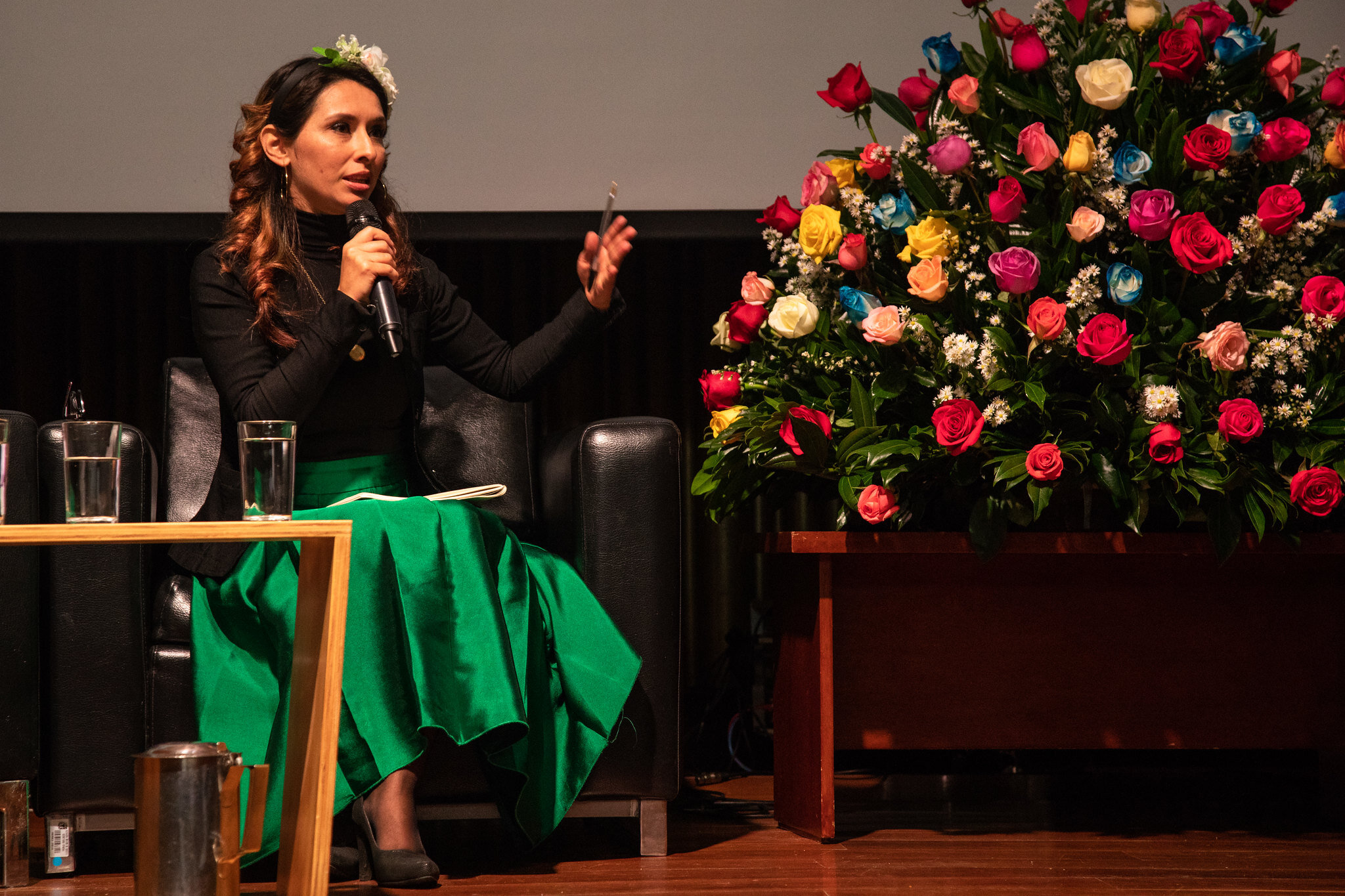
Topics and themes
From our consultations with grassroots activists and organisations, we have identified a set of pertinent topics and themes that will guide the activities of the Best Practice Forum. Click on each topic to learn more:

Corporate Governance, Accountability, Human Rights and Environmental Due Diligence
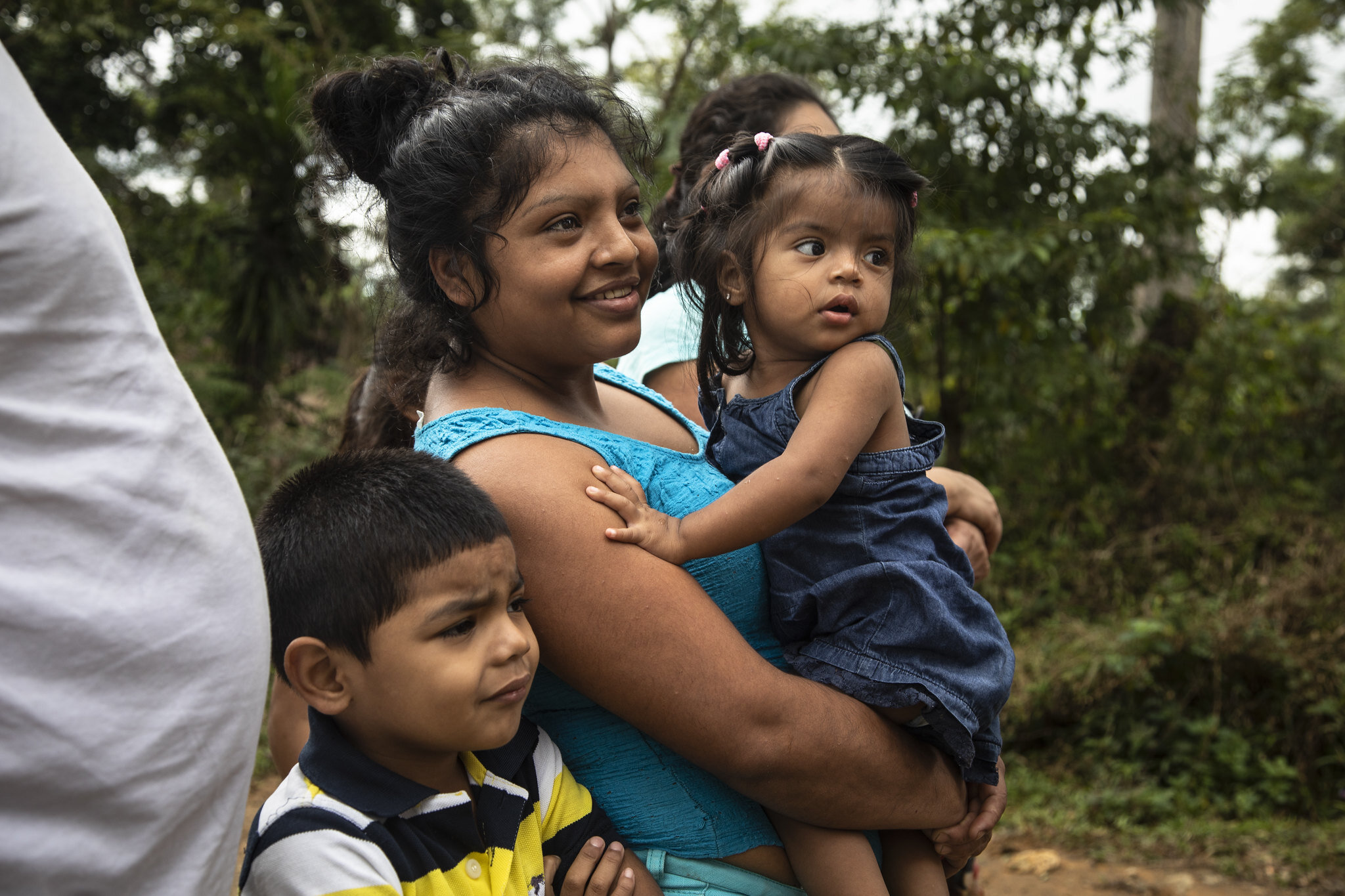
Using Foreign Courts to Access Justice
Research Tools for Gathering and Presenting Evidence

Building a Legal Case and Requesting Information
Register your interest
Whether you are a lawyer with expertise in the field of environmental law, corporate accountability or climate justice, or you are a grassroots rights defender seeking to explore new legal approaches and build your legal resilience, please get in touch and express your interest.
