
On-line Resource Hub:
Best Practice Forum Africa
In July 2026, Roots2Justice host its third Best Practice Forum, this time in Africa, following the successful editions in Latin America and Asia. The Forum brought together grassroots leaders, legal practitioners, and community organisers from across the continent to share experiences, legal strategies, and tools to confront corporate abuse and environmental injustice.
The Forum provided a participatory space for judicial and non-judicial strategy exchanges, legal clinics, and cross-jurisdictional collaboration aimed at strengthening the resilience of Indigenous, rural, and frontline communities. As with previous Forums, sessions were led by a mix of grassroots leaders and legal experts from Africa and beyond, fostering peer learning, legal empowerment, and network-building.
Day 1 — Understanding the Landscape: Cases, Challenges at the Domestic Level
Session 1: Case-Sharing Session: Challenges in seeking justice in cases of land dispossession, forced evictions, and failures to uphold FPIC rights
This session examines land dispossession, forced evictions and failures to obtain free, prior and informed consent in Uganda and Kenya. Through community case studies, speakers explore legal remedies, historical land claims, corporate accountability and the growing use of restrictive laws and SLAPP cases against environmental and human rights defenders.
Chair: Richard Lord - Roots2Justice
Speakers:
Keneth Onoba – Lawyer Kiboga/Kyankwanzi - Uganda -
Claret Pamua Leiro - Leiro & Company Advocates - Kenya -
Christopher Opio -ORRA - Uganda -
Session 2: Case-Sharing Session: Environmental Harm and Human Rights Abuses linked to mining and large-scale infrastructure projects
This session explores the environmental and human rights impacts of mining and large-scale infrastructure projects in the Democratic Republic of Congo and South Africa. Through case studies, speakers highlight corporate accountability, environmental degradation, community displacement, barriers to justice, and the challenges of enforcing legal protections despite strong legislative frameworks.
Chair: Nicki Lees - Maurice Blackburn Lawyers
Speakers:
Marline Basimine – BEST - DRC -
Sbonelo Nkomo – Richard Spoors Advocates – South Africa
Session 3: Case-Sharing: Carbon credits, conservation ‘land grabs’ & lack of benefit sharing in green projects; including tourism projects
This session explores the human rights implications of carbon credit projects, conservation initiatives and corporate net-zero strategies. Speakers examine land rights, free, prior and informed consent (FPIC), benefit-sharing, community participation and the impacts of carbon markets on Indigenous communities in Kenya, highlighting the gap between climate ambitions and equitable implementation.
Chair: Peter Drury
Speakers:
Patience Mutunga – Zamara Foundation - Kenya
John Lengusuranga - Samburu Women Trust - Kenya
Gitahi Githuku – American Jewish World Service - Kenya
Session 4: Group discussion
This group discussion reflects on shared challenges including forced evictions, carbon markets, corporate impunity, weak institutions and threats against human rights defenders. Participants exchange practical strategies focused on stronger community governance, meaningful consultation and FPIC, accessible legal information, international solidarity, institutional accountability and greater community control over land and development decisions.
Chair: Peter Drury - Roots2Justice
Day 2 — Legal Strategies: Regional, and International
Session 5: Building the Evidence Base Part 1- Investigating Corporate Structures
This session focuses on strengthening corporate accountability by documenting environmental and human rights abuses linked to large-scale investment projects. Speakers explore practical strategies for tracing corporate ownership, financing and supply chains, improving evidence collection, empowering affected communities, and using legal and non-judicial mechanisms to hold companies and investors accountable.
Chair: Peter Drury
Speakers:
Coleen Scott - Inclusive Development
Saikong Patrick Kisalei – Impact Kenya
Session 6: Building the Evidence Base Part 2 - Building Your Evidence Case
This session focuses on how affected communities can collect and preserve credible evidence of environmental and human rights harm. Using examples from Kenya’s oil-producing regions, speakers discuss community-led documentation, water testing, proving causation, safeguarding evidence, and building strong cases for complaints, compensation, litigation and corporate accountability.
Chair: Nicki Lees - Maurice Blackburn Lawyers
Speakers:
Gabriel Ekalale – ASEGIS - Kenya
Maurice Ouma Odhiambo - Jamaa Resource Initiatives - Kenya
Session 7: Taking cases to a foreign domestic court
The session examines how communities can pursue corporate accountability through foreign courts. Speakers explain that English and some European courts can hear cases against multinational parent companies, even when the harm occurred abroad, while applying the law of the affected country. Success depends on strong partnerships with local organisations, robust evidence linking parent companies to abuses, and integrating litigation into a wider advocacy strategy.
The presentation also reviews options in the United States, noting that recent court decisions have greatly limited human rights claims under the Alien Tort Statute. However, some pathways remain, including forced labour claims, state tort law cases where US jurisdiction exists, and applications in UK and US courts to obtain company documents for use in local litigation.
Chair: Richard Lord
Speakers:
Charity Ryerson – Corporate Accountability Lab
Session 8: Regional & International Mechanisms: African Commission African Court, OECD NCPs and IFI Accountability Mechanisms.
This session examines how regional and non-judicial human rights mechanisms can support communities seeking accountability. Speakers share experiences with the East African Court of Justice, the African Commission and the African Court, focusing on access requirements, community participation and the persistent challenge of enforcing decisions against states.
Group discussions highlight the advantages of non-judicial mechanisms, practical ways to involve communities, and strategies to improve implementation through public pressure, international advocacy, donor leverage and continued campaigning.
Chair: Nicki Lees - Maurice Blackburn Lawyers
Speakers:
Dr Washington Kiptoo Barasa - Jamii Asilia Centre - Kenya
Naomi Vulenywa Barasa – The She Main Table - Kenya
Hamisi Mayombo Legal and Human Rights Centre - Tanzania
Session 9: Situated litigation and the role of community engagement to support litigation.
Chair: Susi Bascón - Roots2Justice
Speakers:
Anneckjiet Kapomba – Tiwafikire Organisation - Malawi
Doreen Kisakye – FIDA Uganda -
Diana Eunice Kawenda – Chikuni Associates - Zimbabwe
Day 3 — Practical Application, Protection, and Moving Forward
Session 10: Moot Court Exercise - Part 1: Preparation and Argument:
Participants engage in a moot court exercise built around a scenario that integrates issues from participants' real cases - for example, a scenario involving a foreign-owned mining company operating through an opaque corporate structure, causing environmental harm, land dispossession and human rights violations, with the affected community facing SLAPP threats and weak enforcement of prior court orders. Participants are divided into teams representing the claimant community, the corporate respondent, and (optionally) the state or an intervening party. Each team prepares and presents its legal arguments. A detailed moot exercise briefing document will be circulated and provided to the participants in advance.
Topics and themes
From our consultations with grassroots activists and organisations, we have identified a set of pertinent topics and themes that will guide the activities of the Best Practice Forum. Click on each topic to learn more:

Corporate Governance, Accountability, Human Rights and Environmental Due Diligence
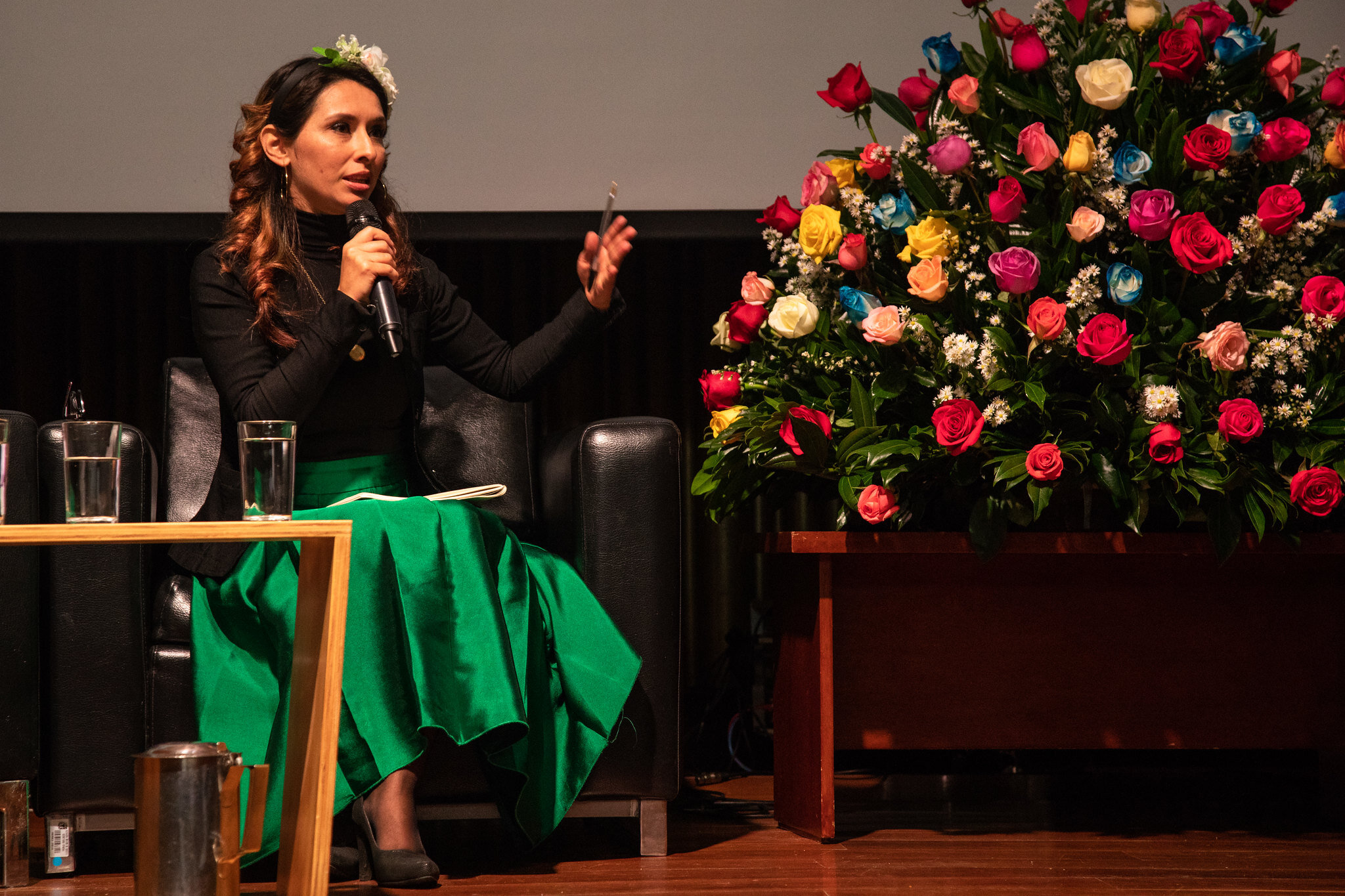
Using Foreign Courts to Access Justice
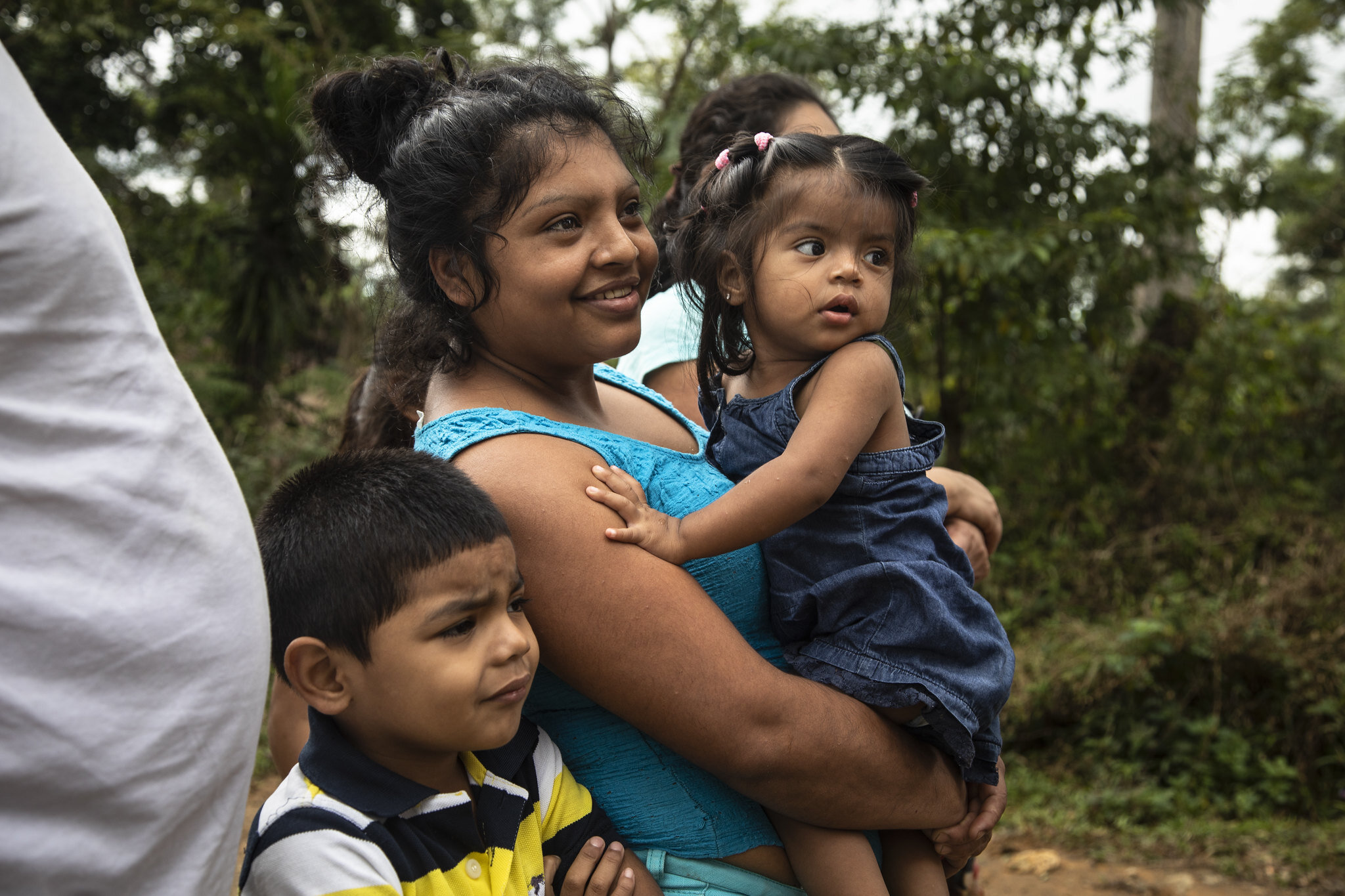
Research Tools for Gathering and Presenting Evidence

Building a Legal Case and Requesting Information
Register your interest
Whether you are a lawyer with expertise in the field of environmental law, corporate accountability or climate justice, or you are a grassroots rights defender seeking to explore new legal approaches and build your legal resilience, please get in touch and express your interest.
