Land, water and a voice in their future.
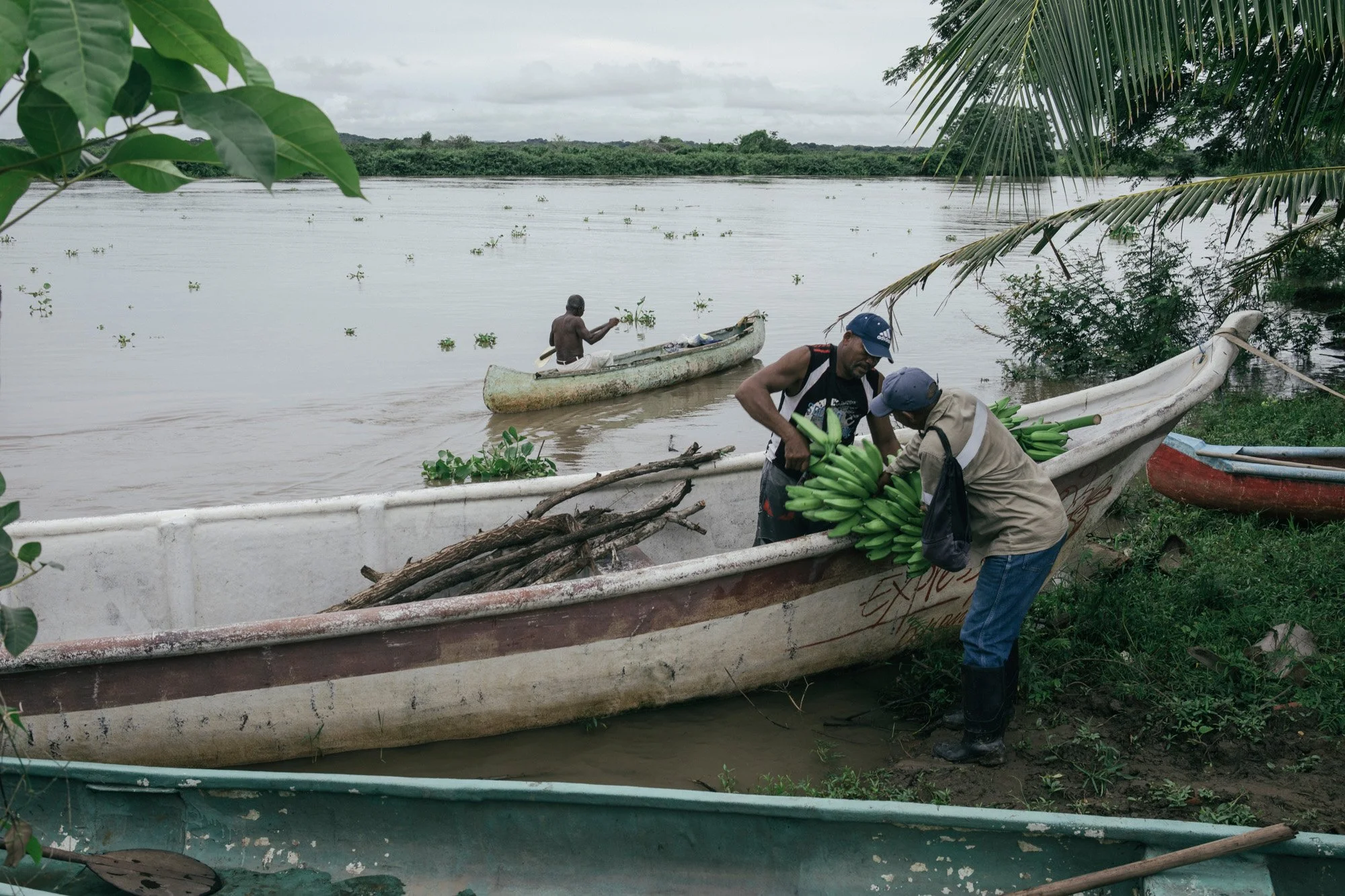
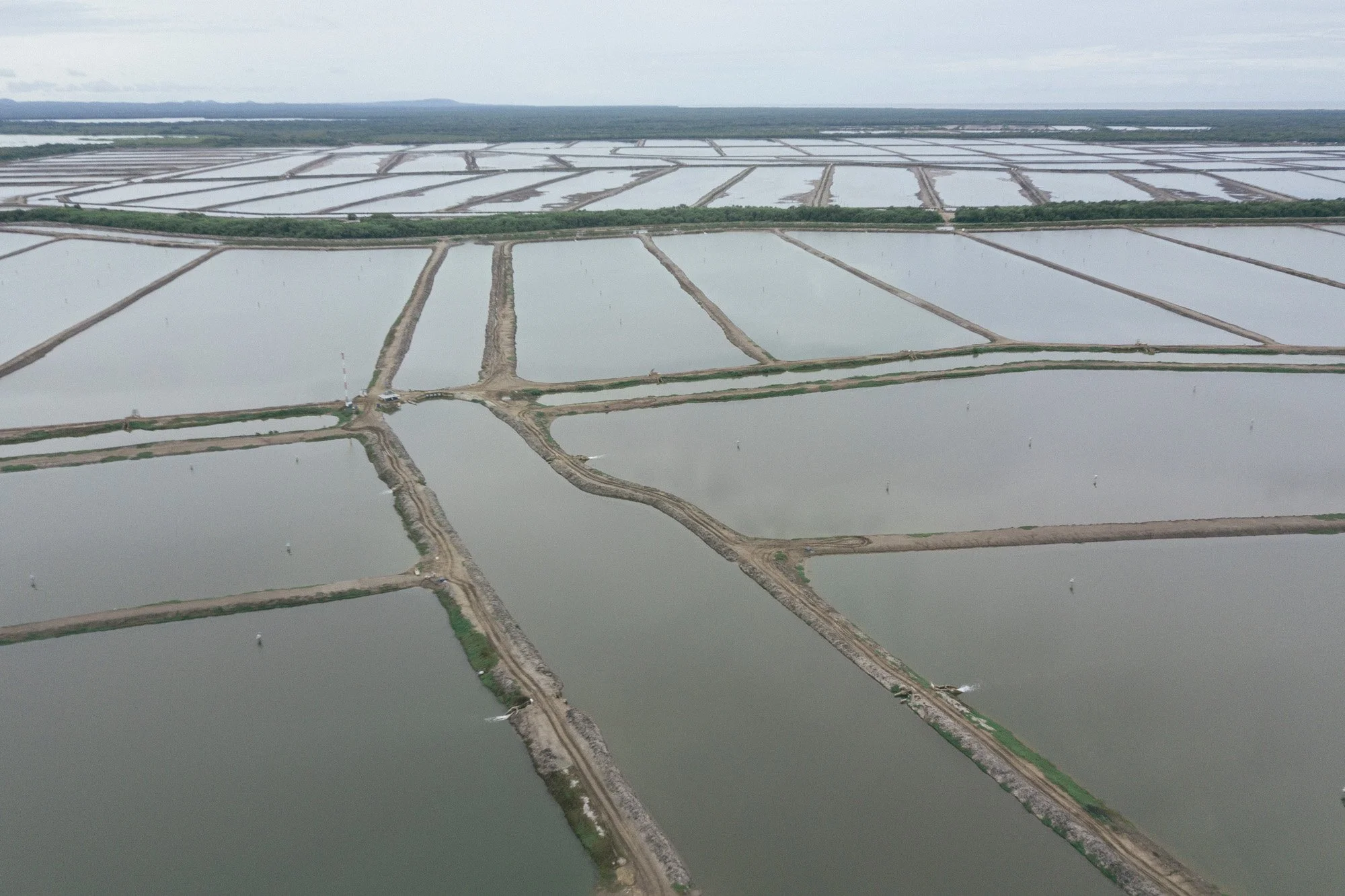
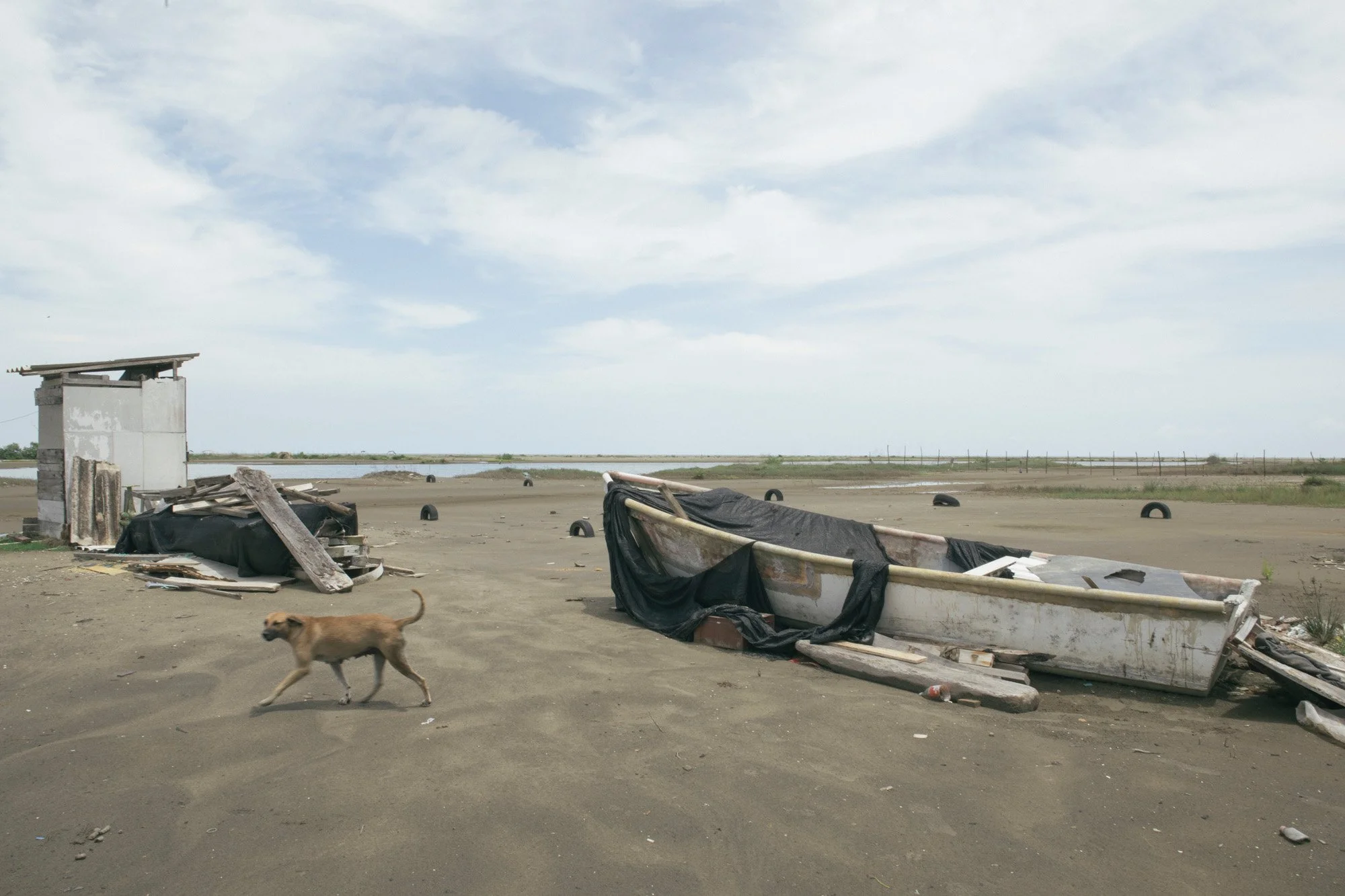
For the communities we work with, land and water sustain livelihoods, culture and belonging. When economic projects damage ecosystems or displace people, the consequences reach into every part of community life.
Communities are already organising, documenting harm and developing responses. Yet access to resources, legal expertise and decision-making remains deeply unequal.
Protecting territories and ecosystems is also part of responding to climate change and biodiversity loss. Communities need a meaningful say in decisions affecting their future, including projects presented as part of the transition to greener energy.
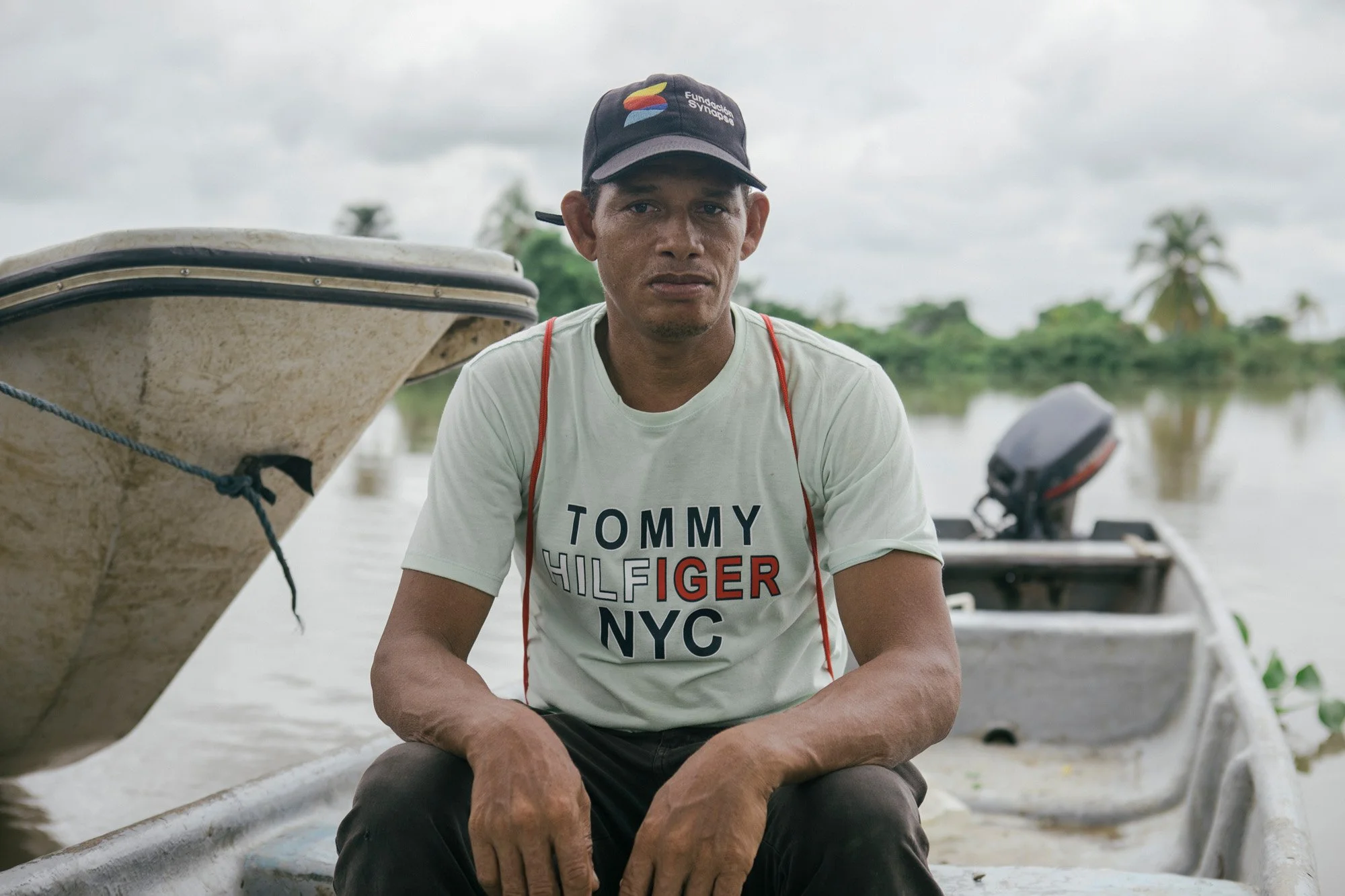
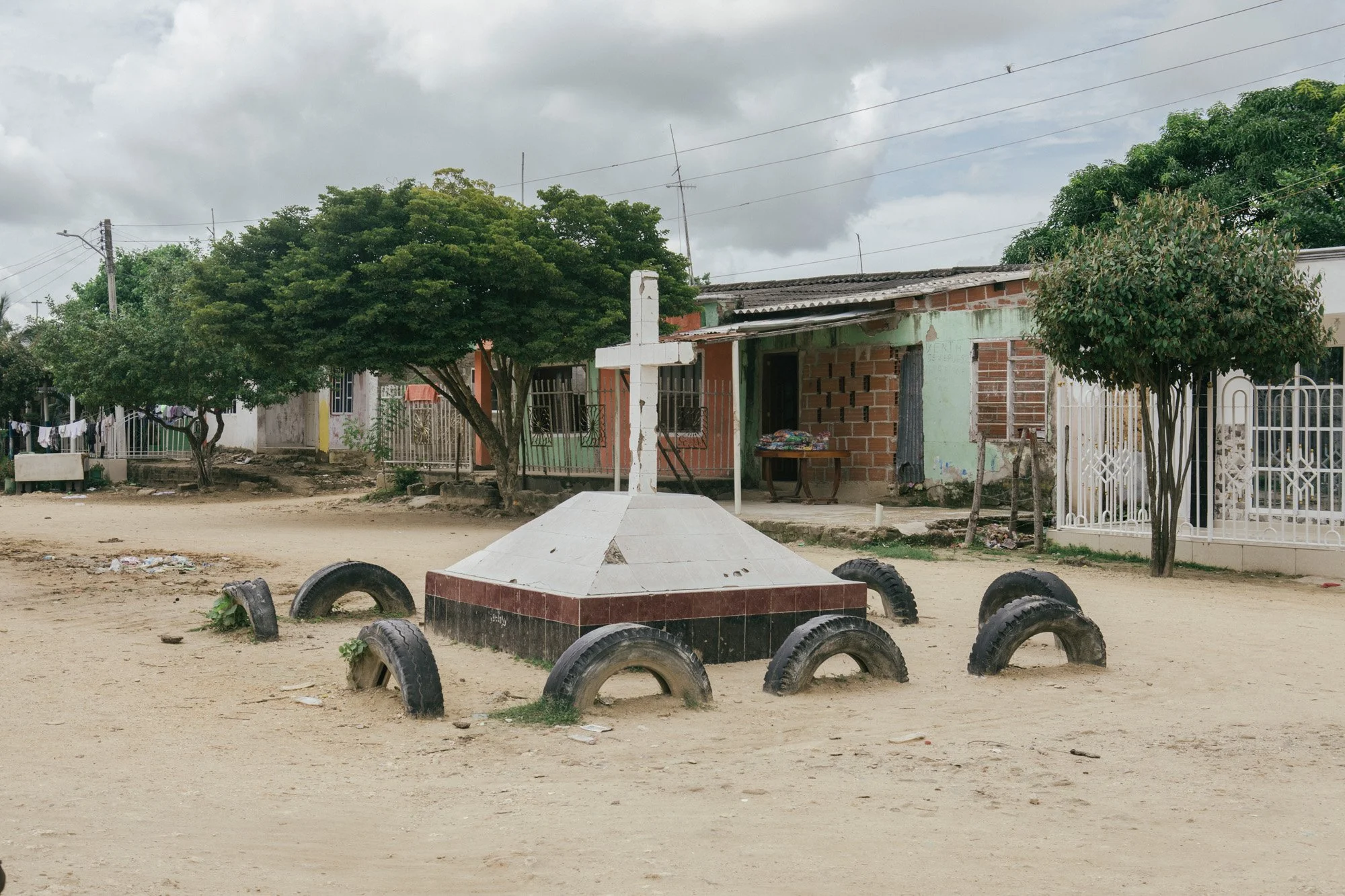
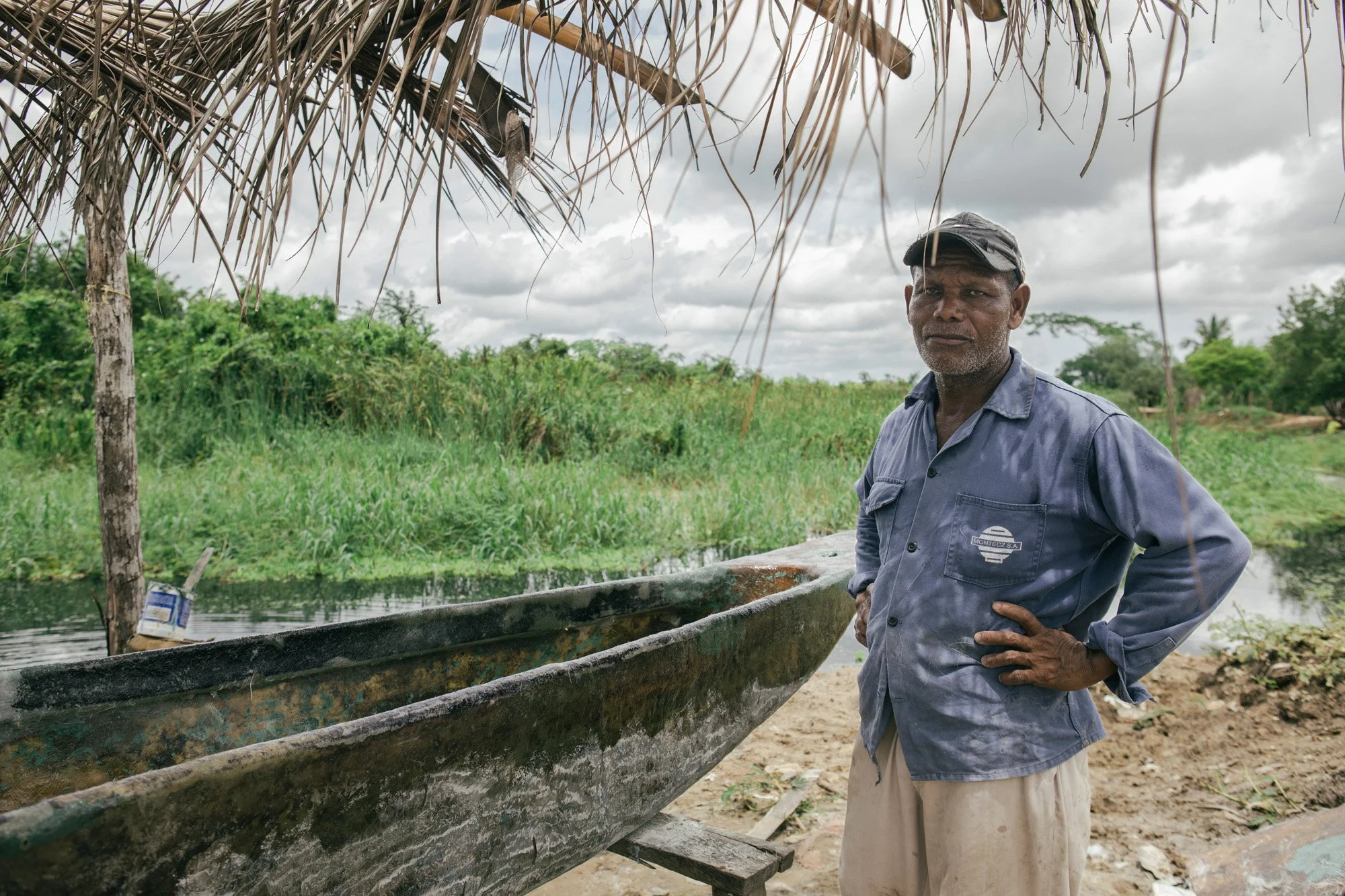
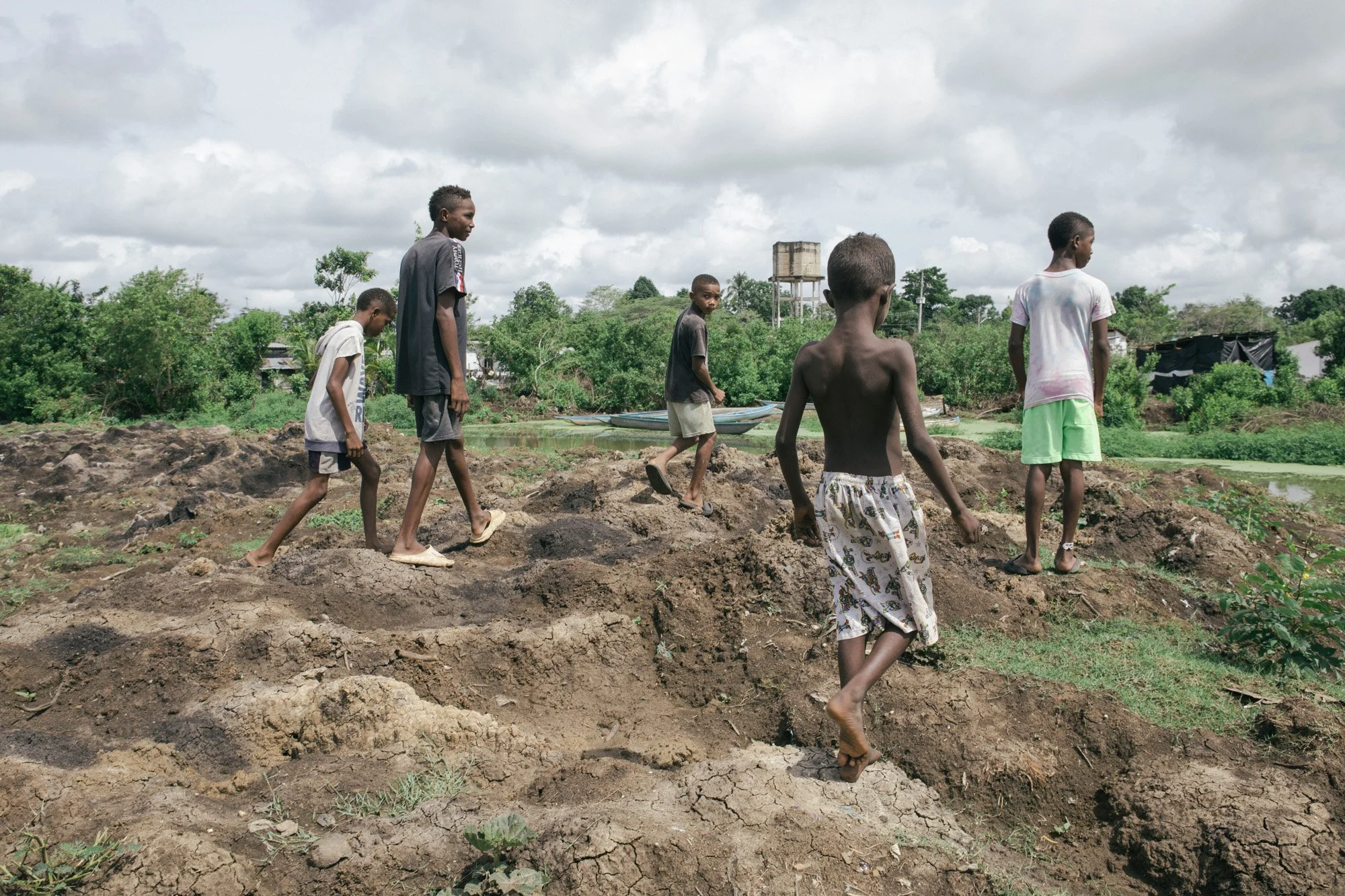
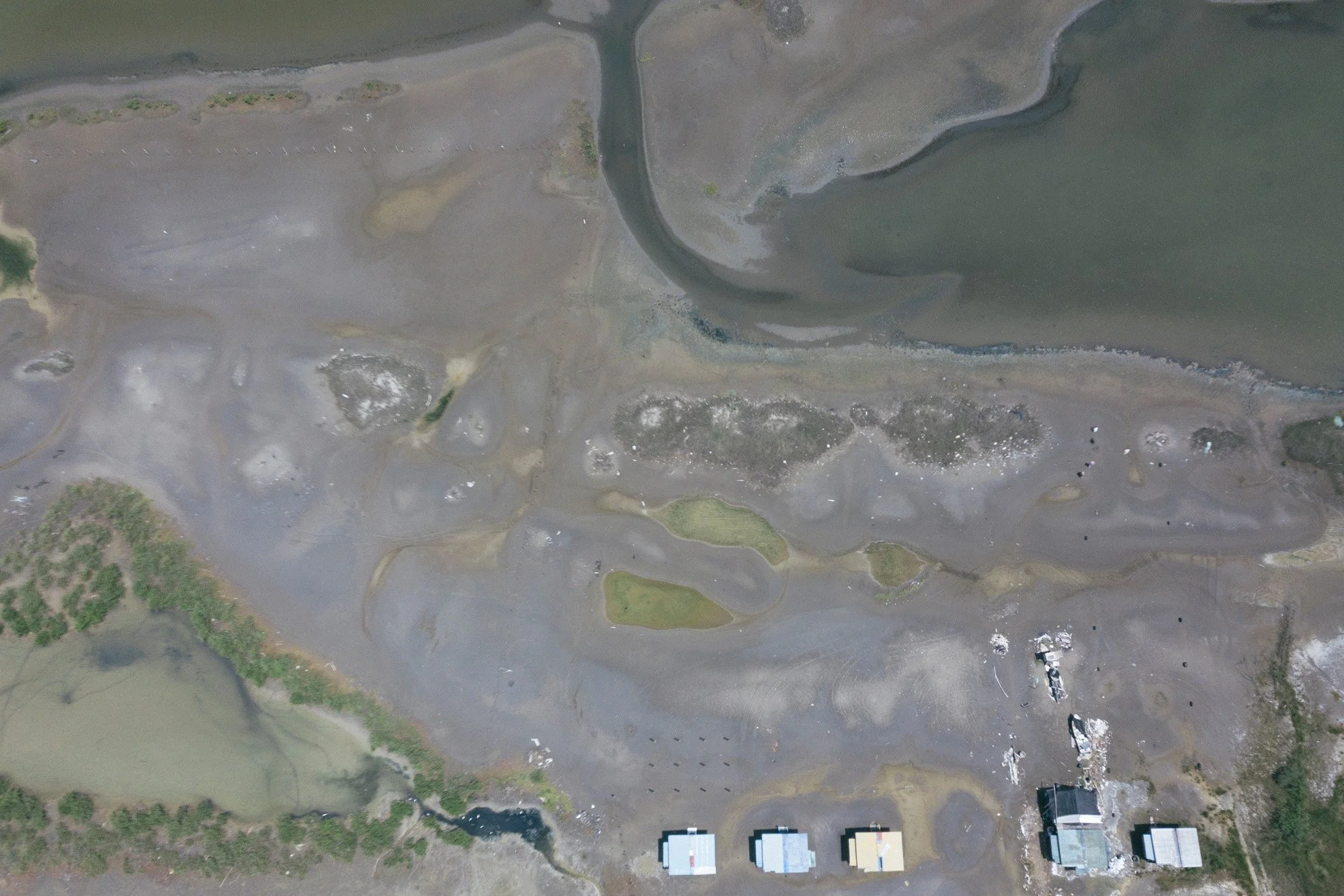
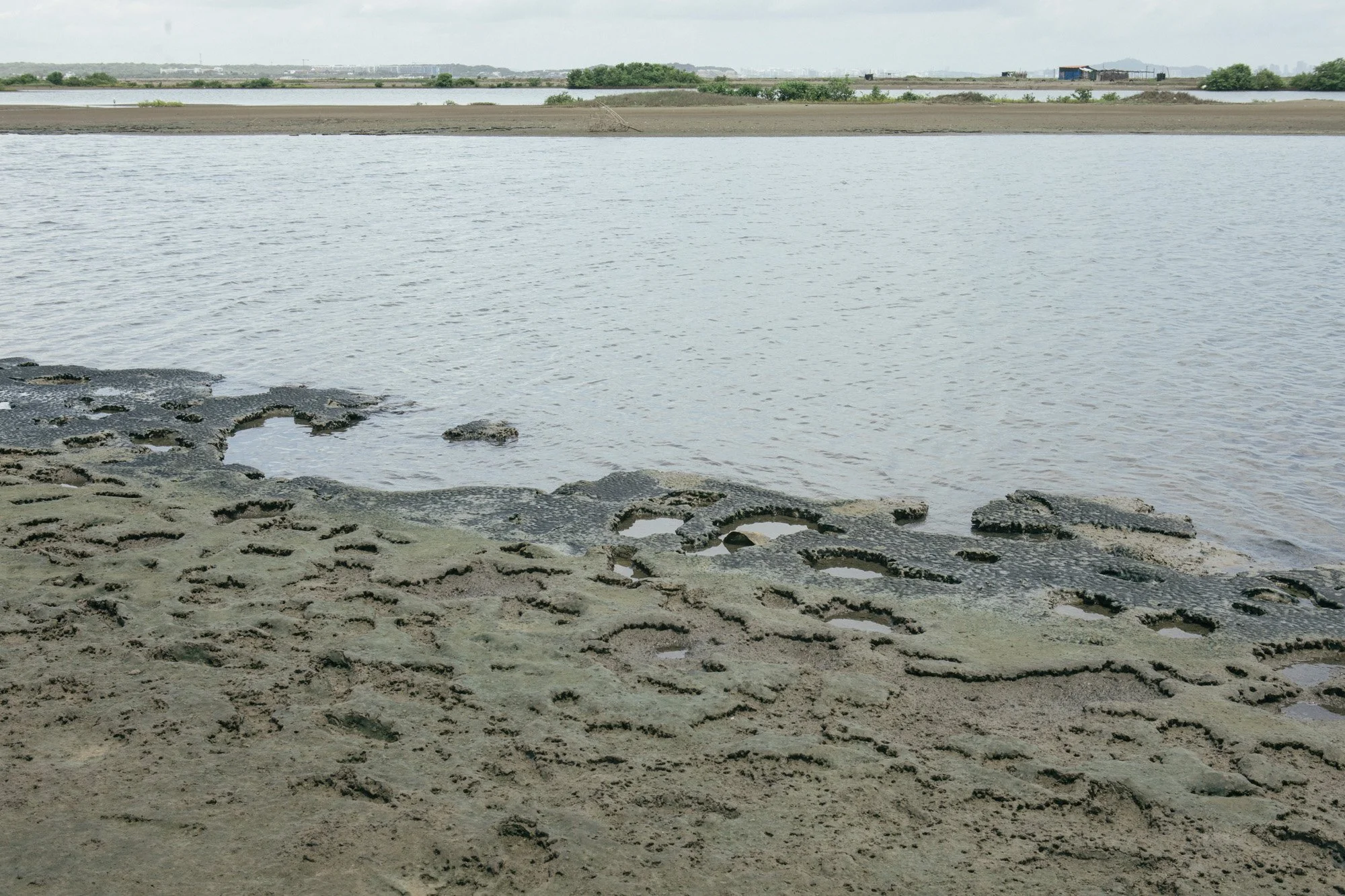

Advancing climate justice and fighting climate change are connected.
Communities protecting their territories are also protecting the ecosystems our shared future depends on.
Indigenous peoples, rural communities and grassroots organisations are documenting damage, organising campaigns and pursuing legal action. Their knowledge of their territories and their experience of resisting harm are essential to climate and environmental justice.
Communities confronting these pressures often face companies with far greater resources and influence, alongside weak enforcement of environmental and human rights protections.
Yet many face intimidation and criminalisation while working with limited access to sustained legal advice, specialist research and networks that can help them act across borders.
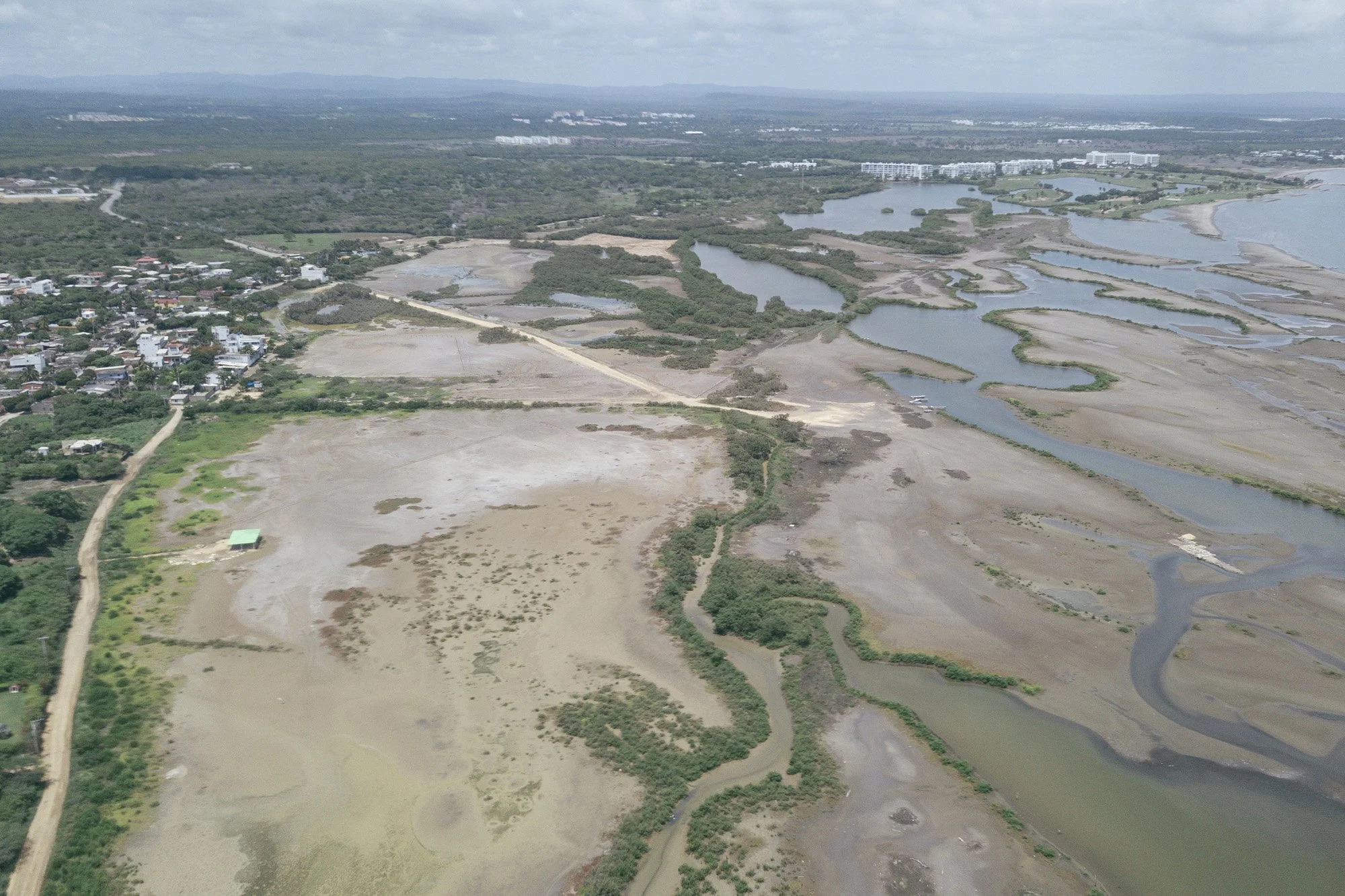
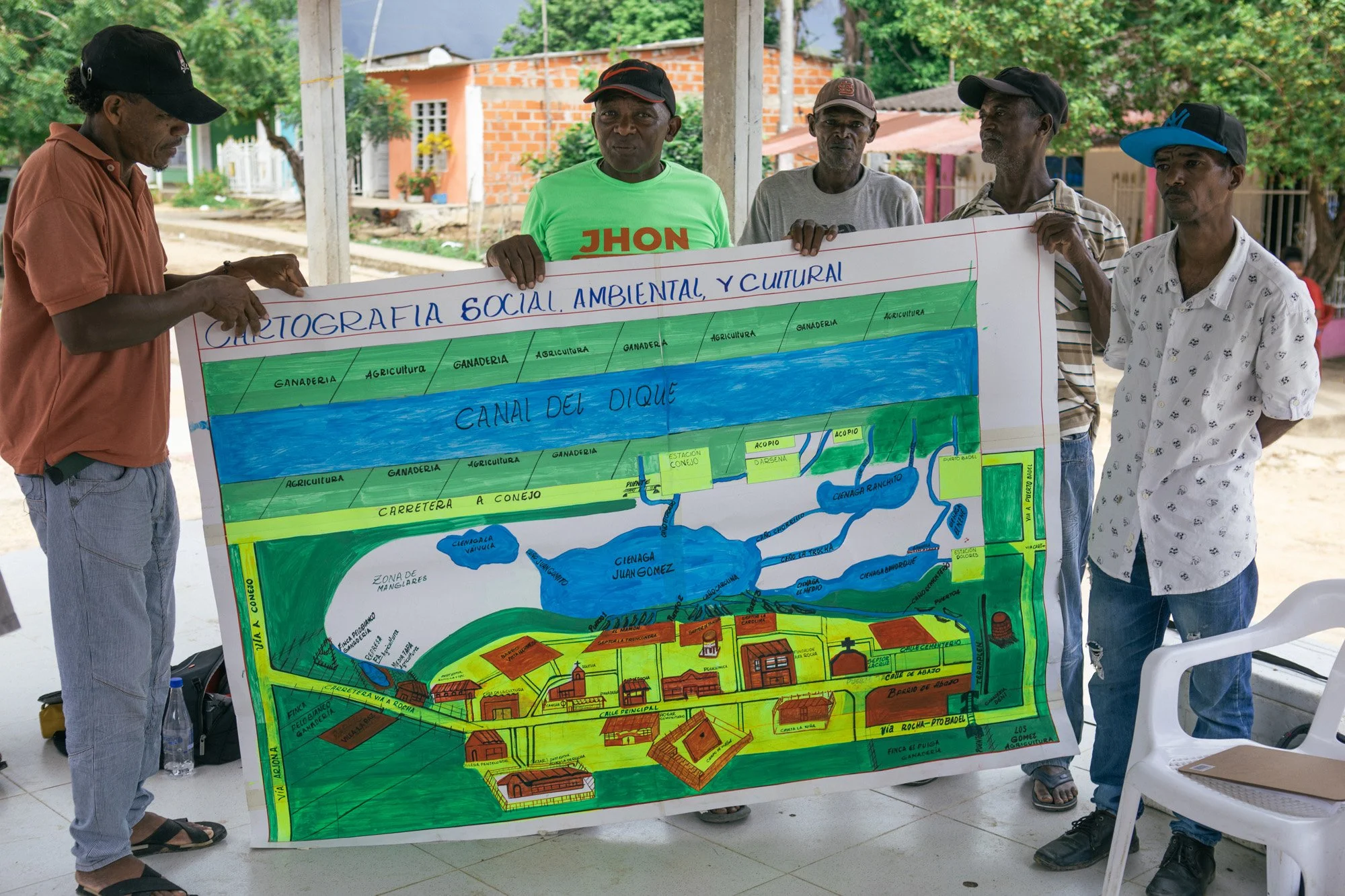
Communities are leading the response.
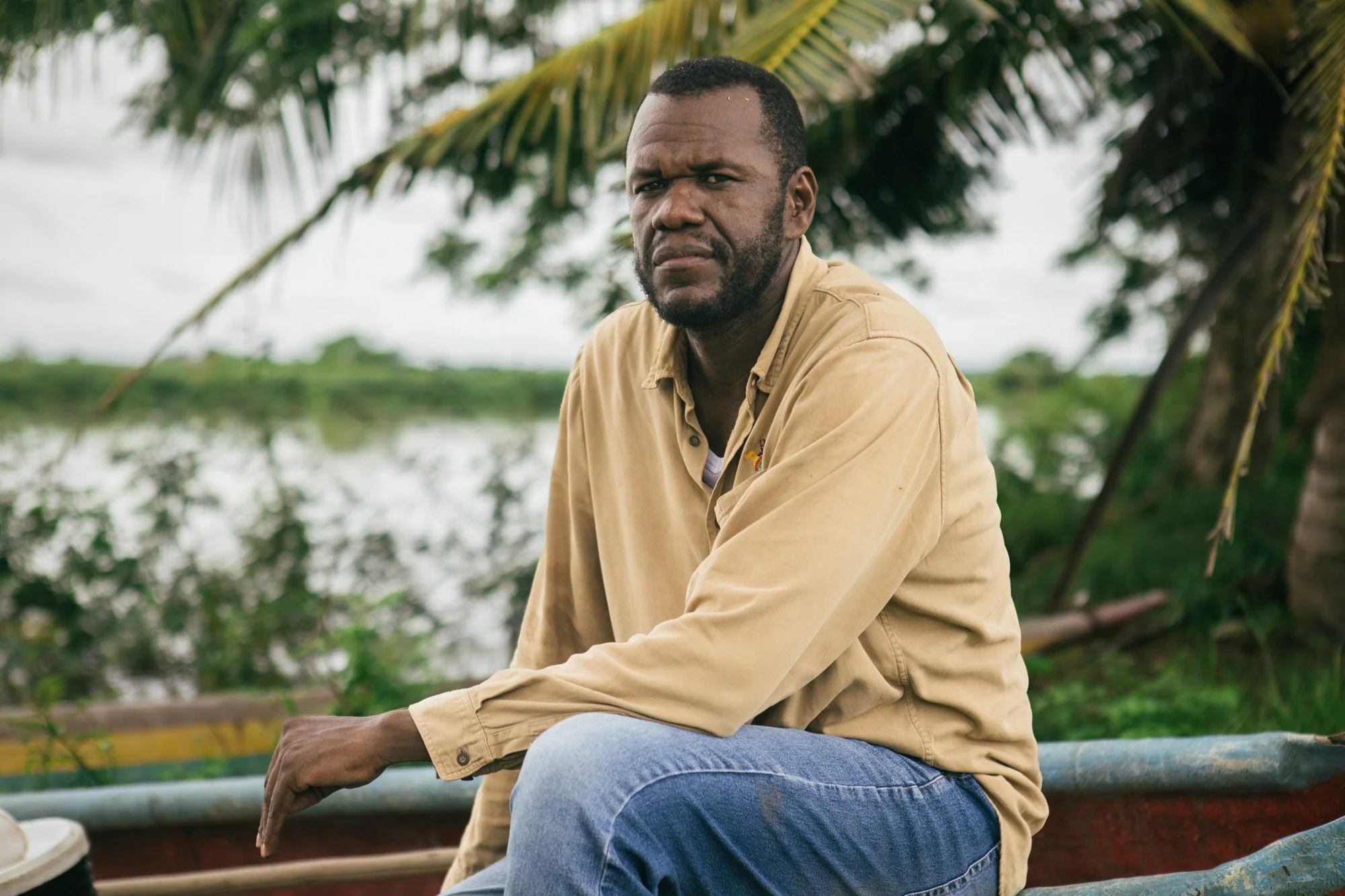
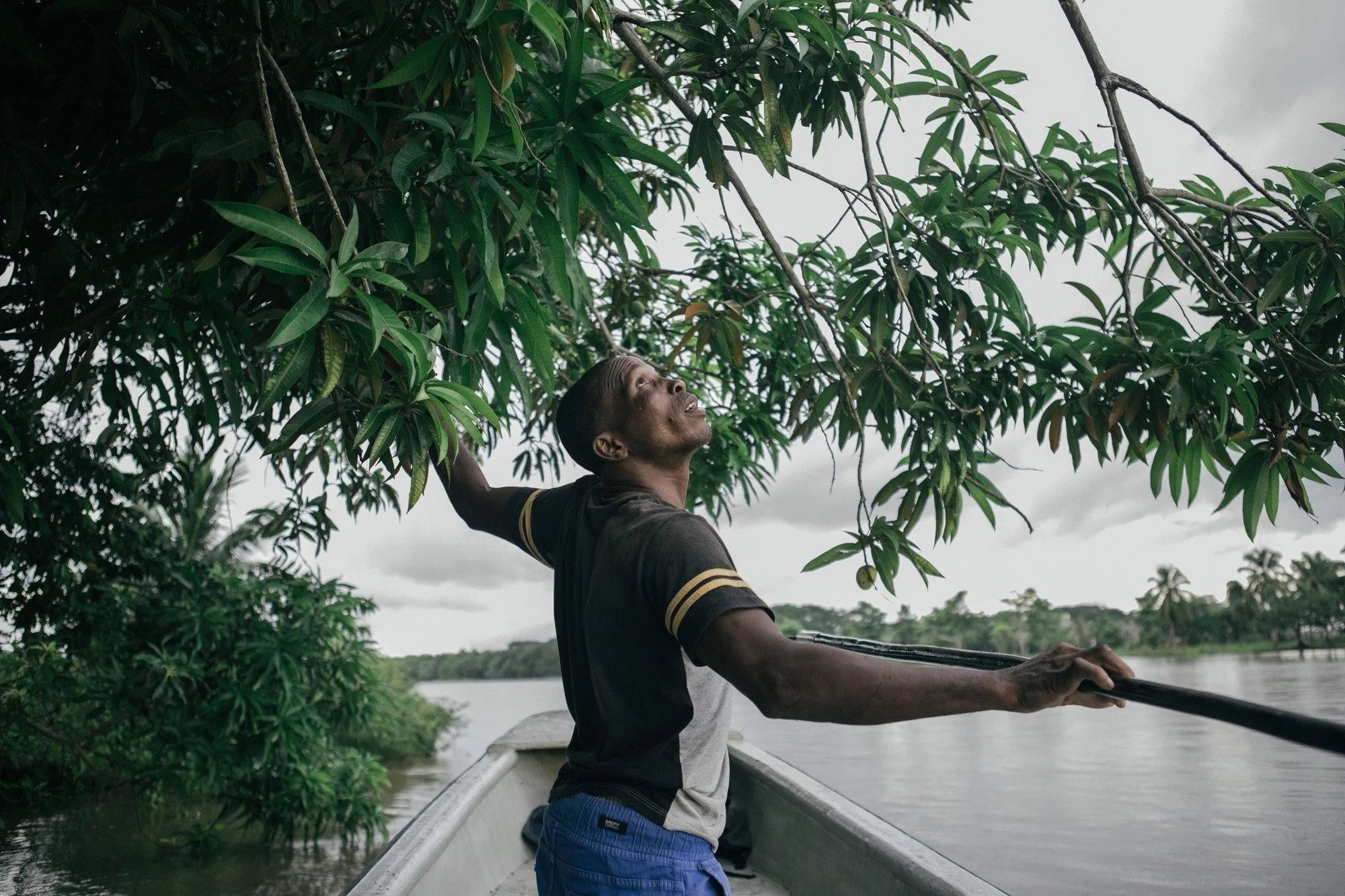
Human rights lawyer Adil Meléndez reflects on the relationship between water, territory and community life in Colombia’s Caribbean region. Drawing on his work with Rocha, he describes the strength of local leadership and the support communities need to continue defending their rights.
The support communities need.
Our consultations have highlighted practical gaps in access to knowledge, legal options and lasting support. These needs shape our Forums and the development of the Leadership Academy.
A BARRIER COMMUNITIES FACE
Understanding who is responsible
Complex company structures and gaps in access to information can make accountability difficult to pursue.
Finding a workable route to justice
Legal information can be technical, inaccessible or poorly matched to local realities.
Practical strategy exchange
Case discussions, legal clinics and exercises help participants explore judicial and non-judicial approaches and consider what could work in their own context.
Accessing relevant expertise
Communities may struggle to reach specialists or learn from others facing similar challenges.
Sustaining support over time
Applying new knowledge and pursuing accountability requires follow-through beyond a single event.
A BARRIER COMMUNITIES FACE
Research tools and shared experience
Forum sessions explore ways to investigate companies, gather evidence and identify points where communities can seek accountability.
Connections across countries
Our Forums bring grassroots leaders into direct exchange with peers and legal specialists from different countries and jurisdictions.
Resources and ongoing learning
Existing Resource Hubs keep Forum materials available to participants. The Academy is being developed to add sustained learning, mentoring and peer exchange.
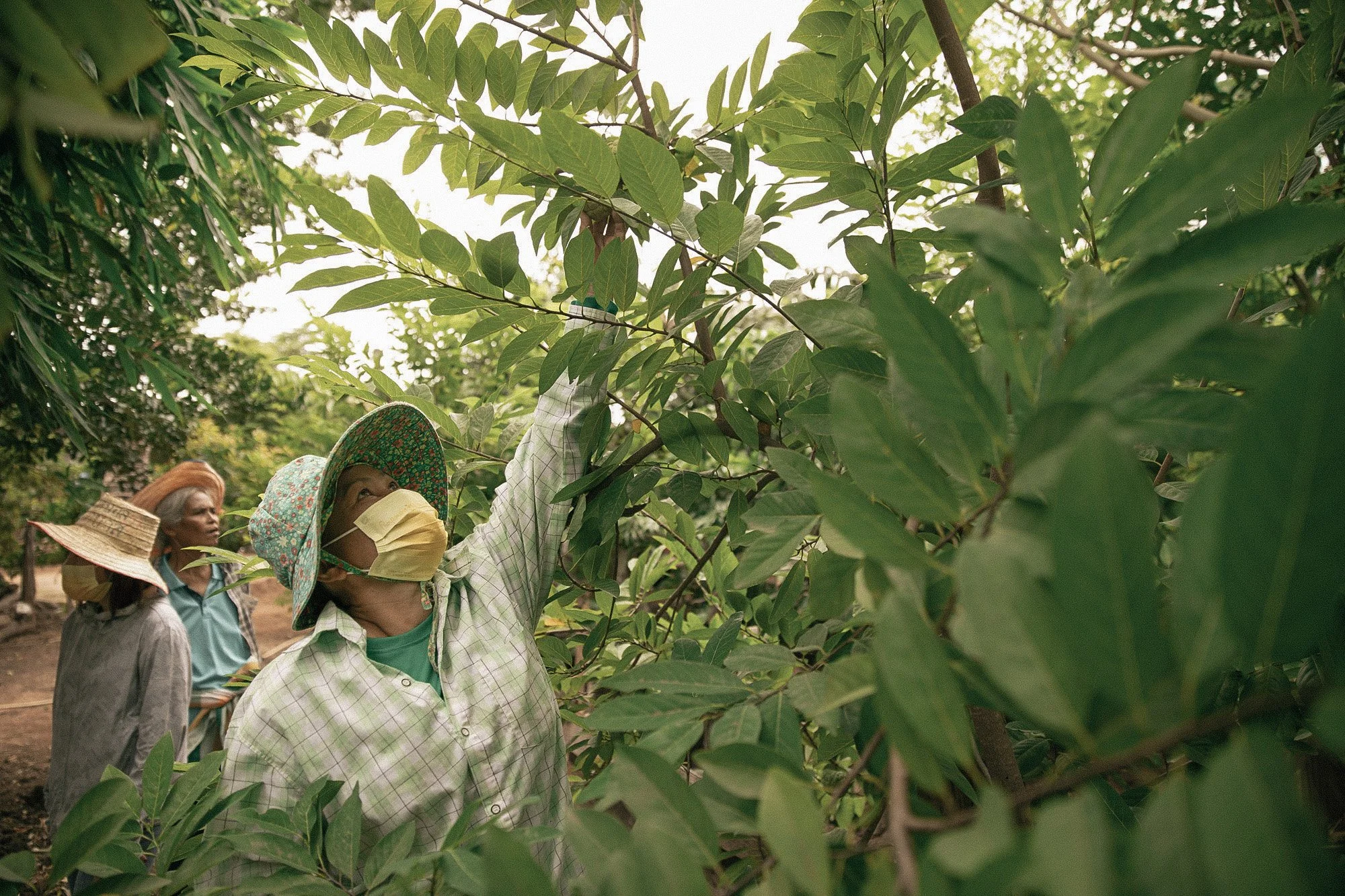
Women defending the land that sustains them.
Women must help shape the response.
Corporate pollution and climate pressures can threaten the same essentials: productive land, clean water and secure livelihoods. Responses must take account of who depends on these resources, who carries the work when they are damaged and who has a say in their future.
Women bring knowledge of local ecosystems, experience of sustaining livelihoods and the determination to organise. Climate and environmental justice require that their expertise shapes decisions—and that they have the rights, resources and support to act.
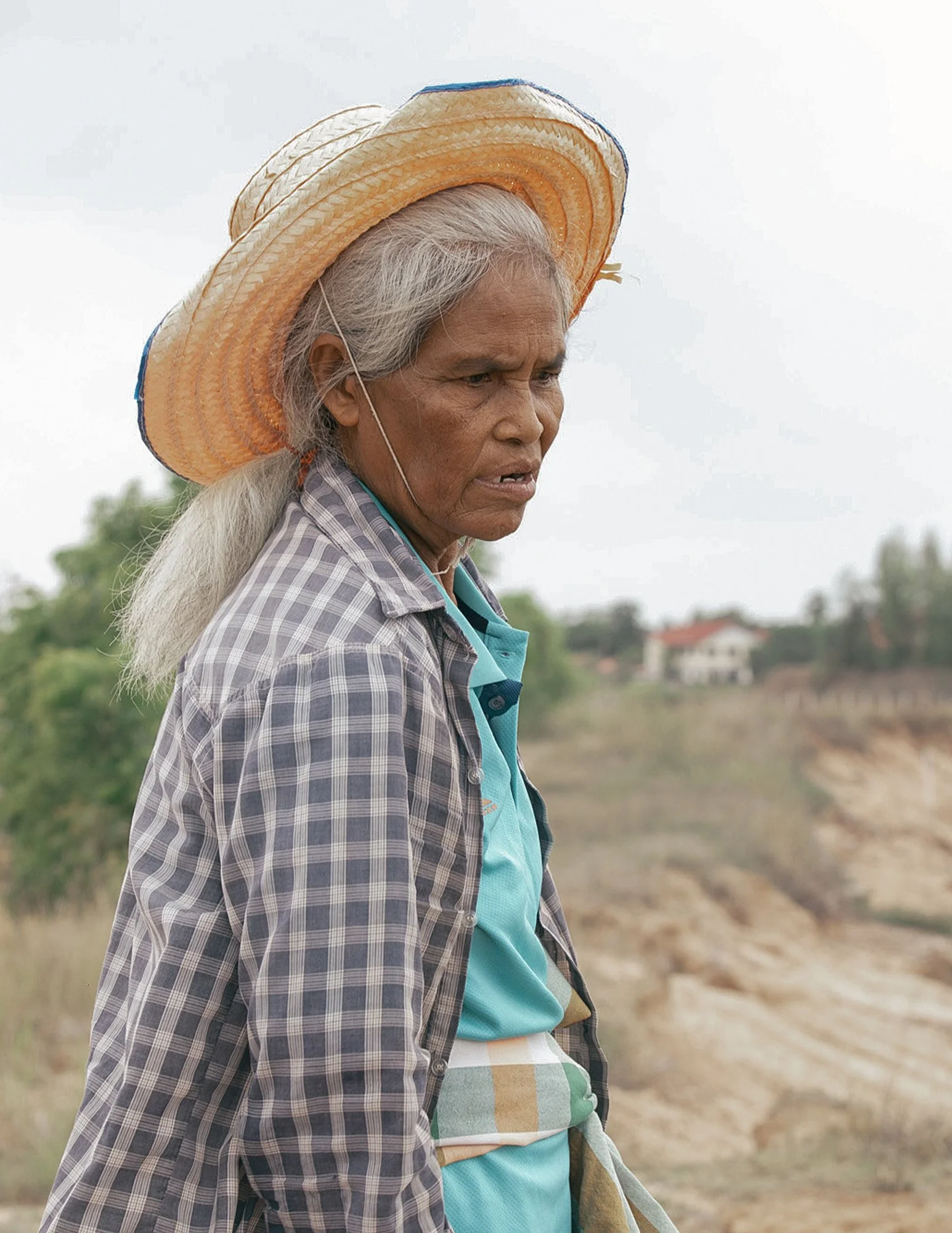
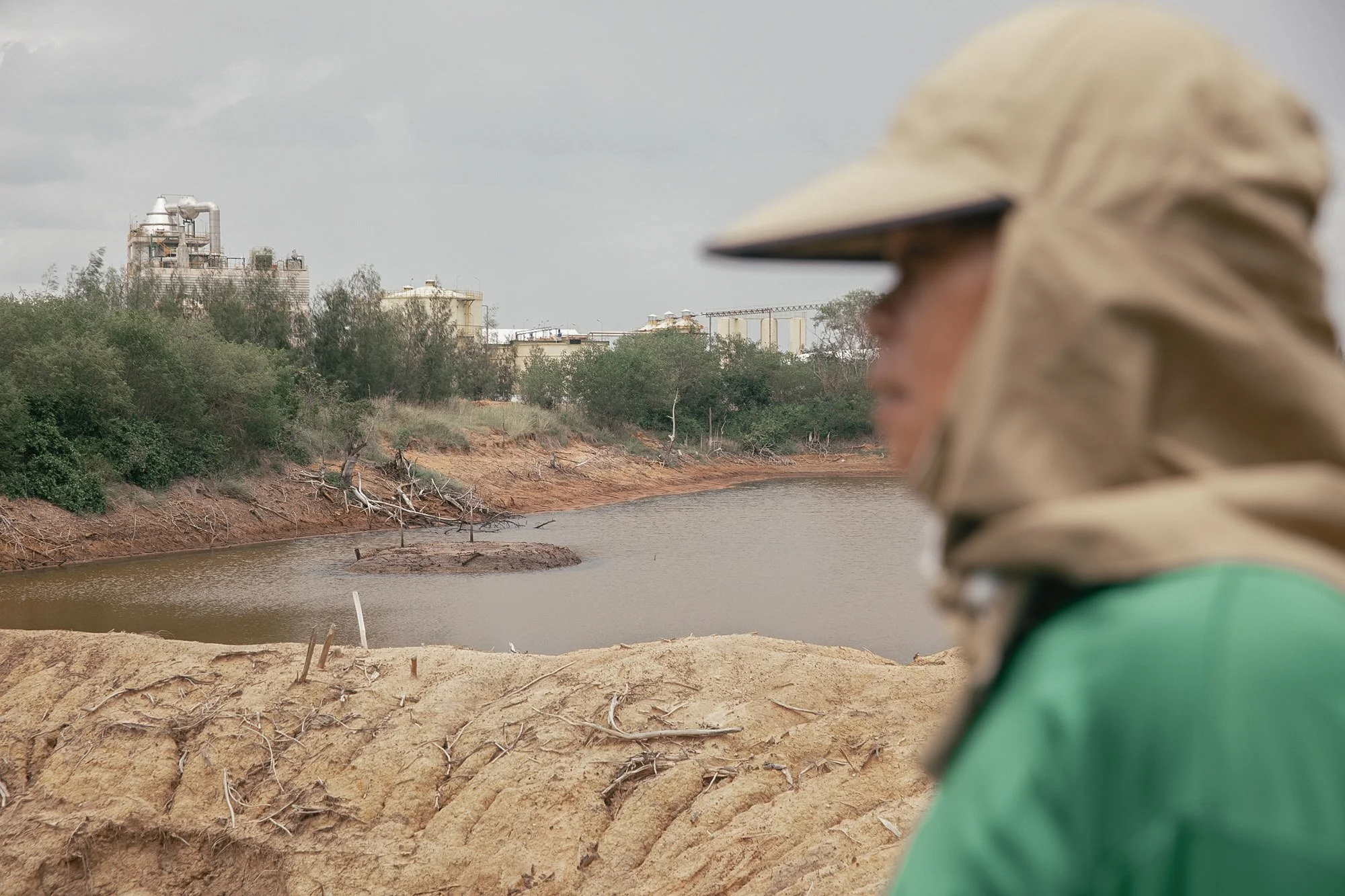
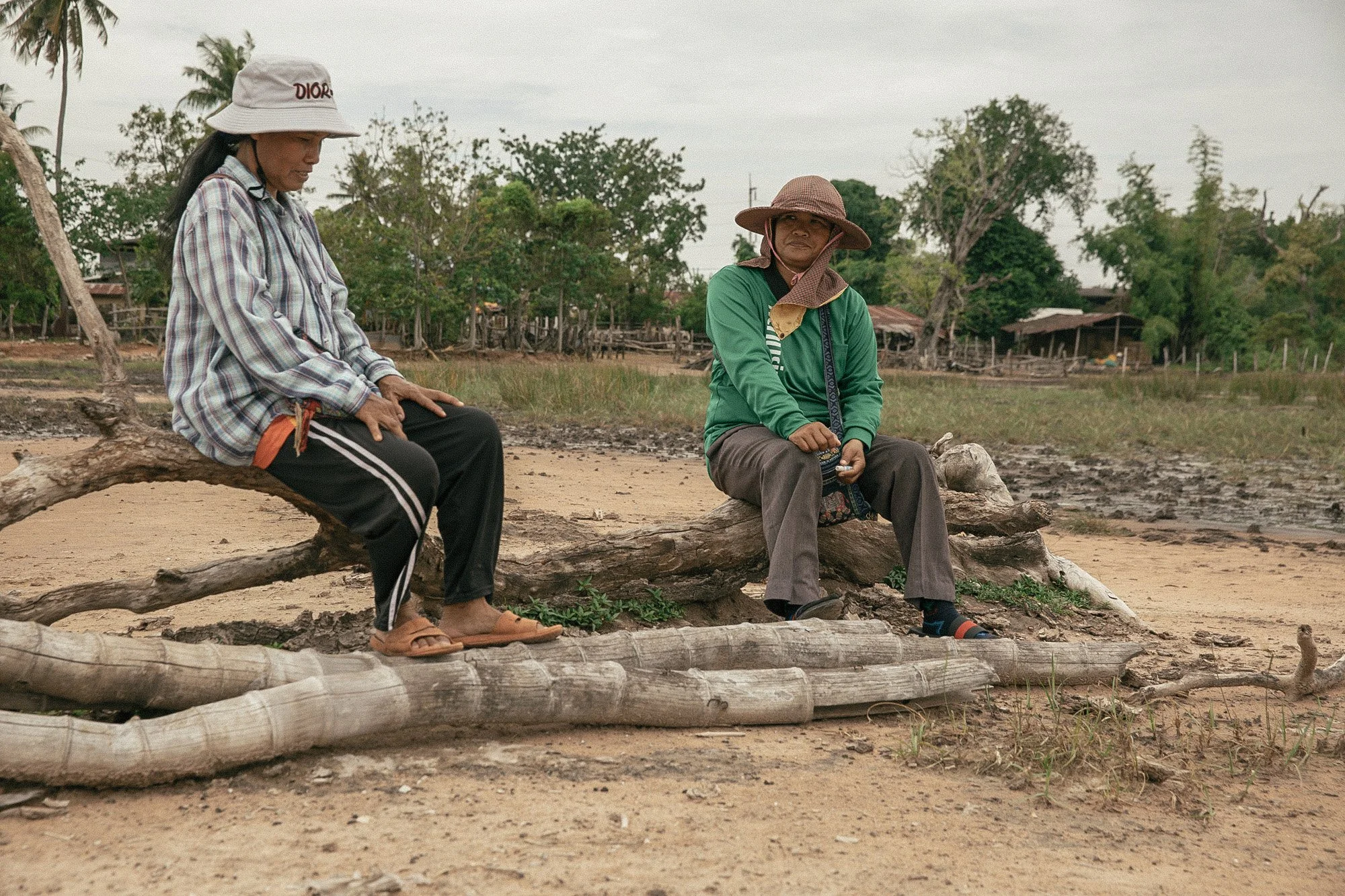
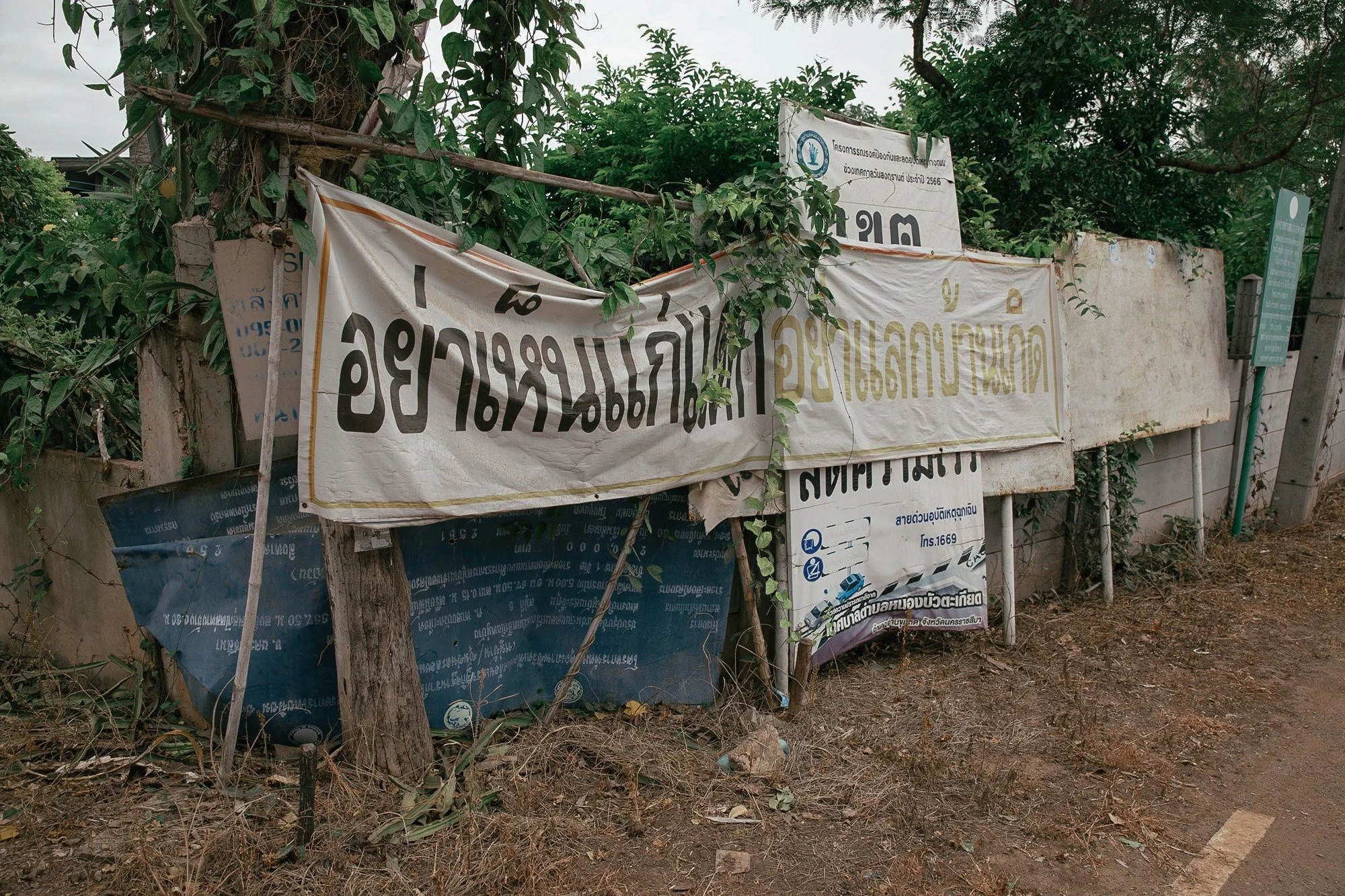
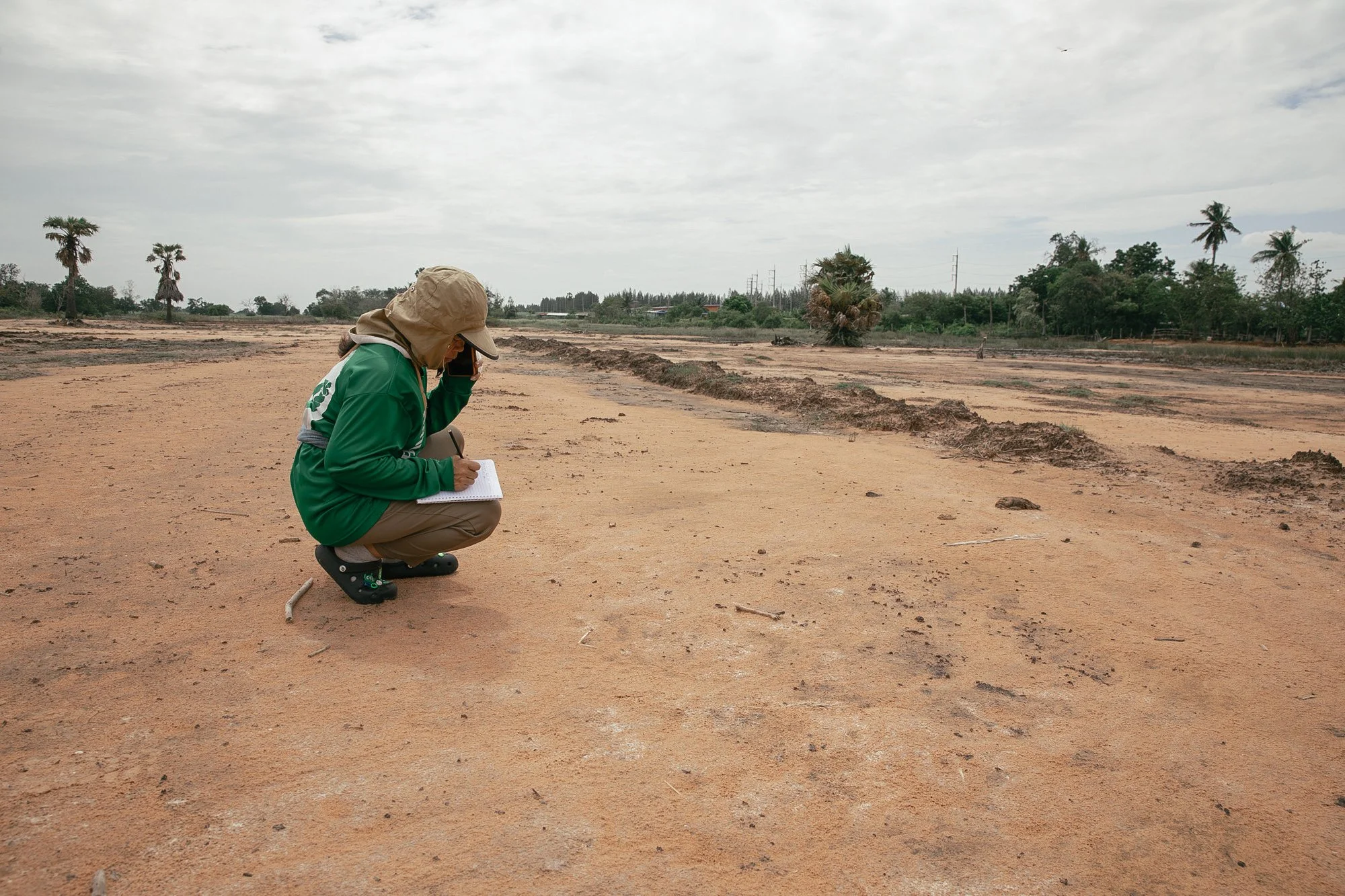
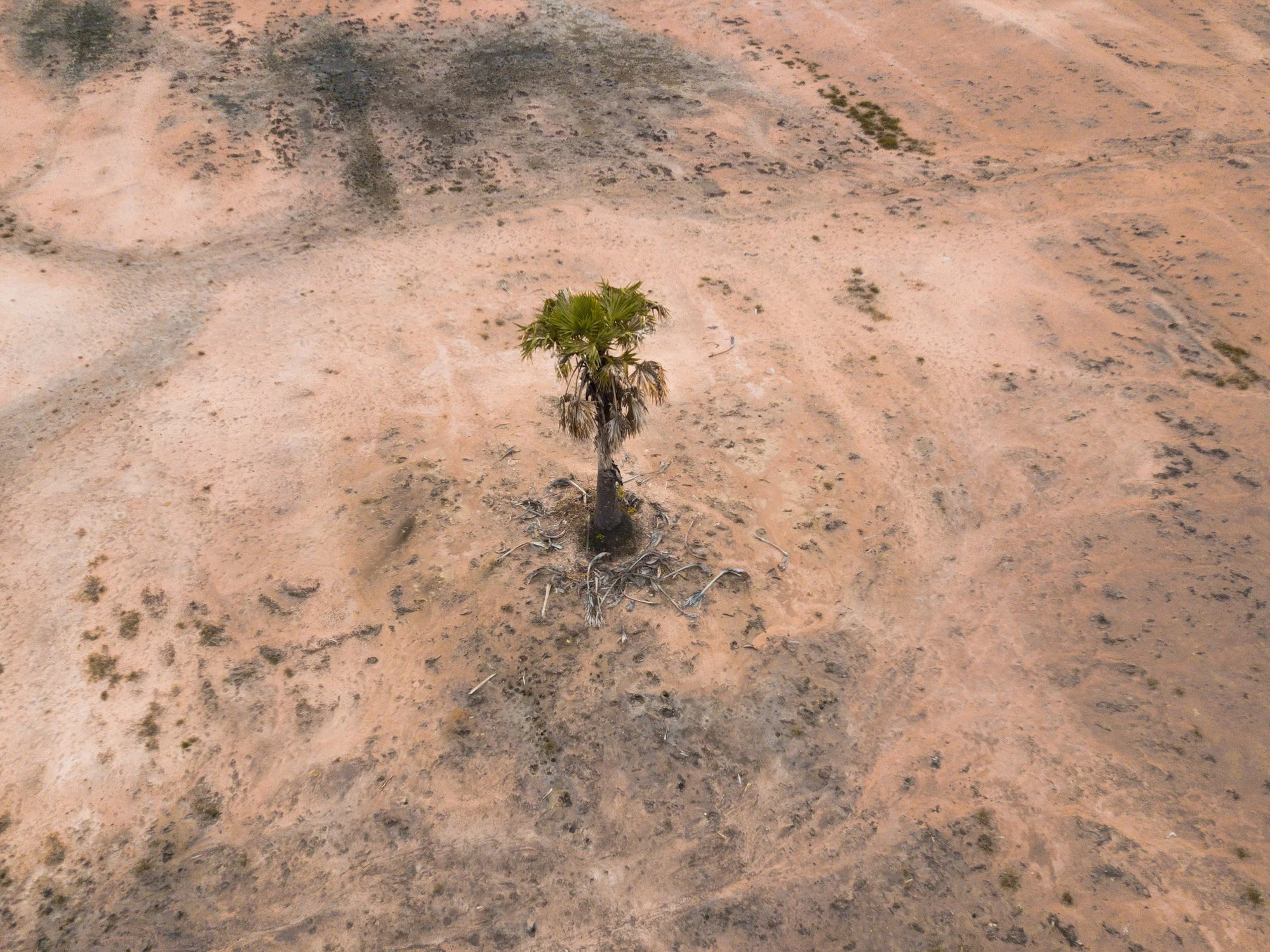
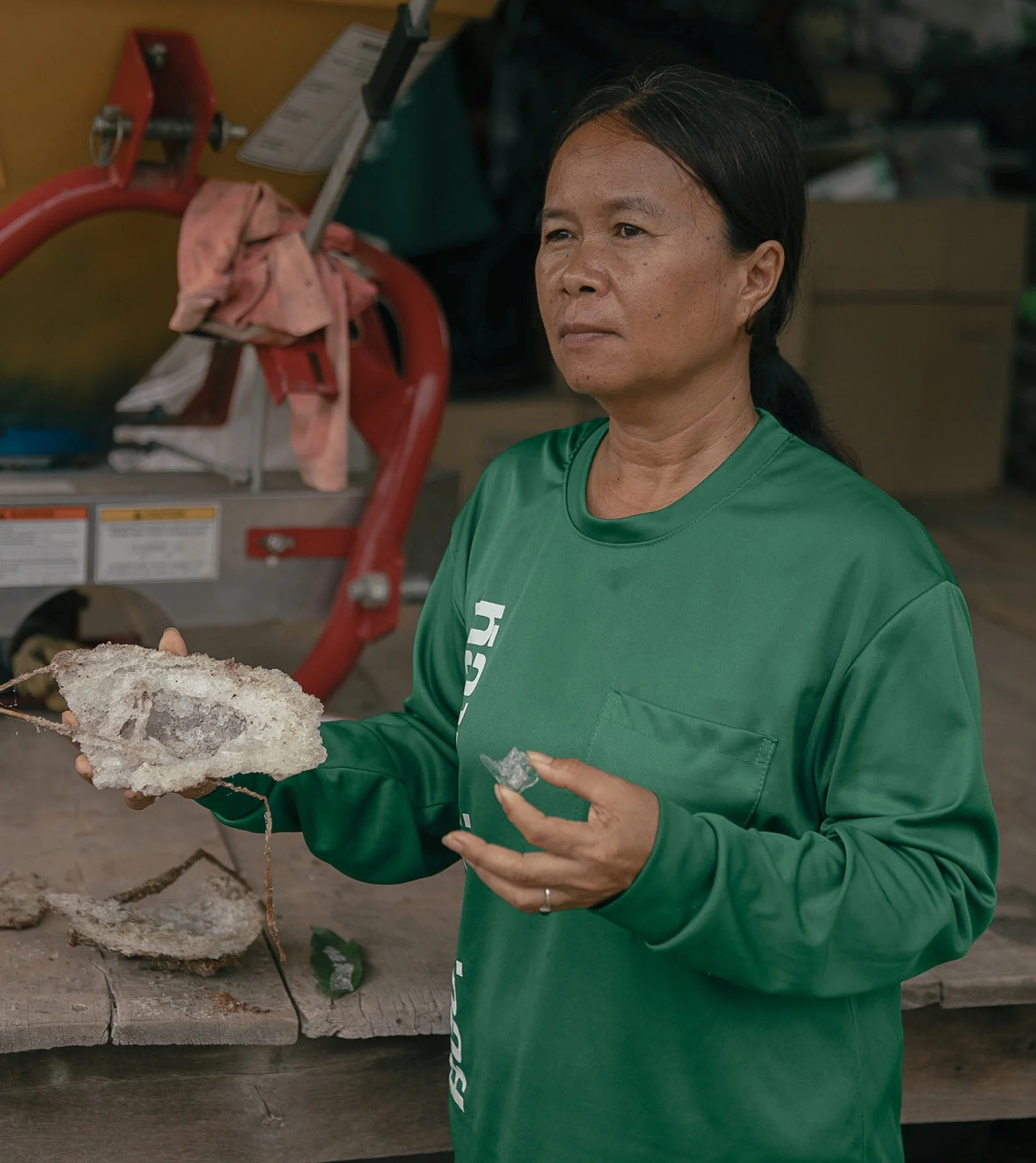

When the land is damaged, the burden is unequal.
For many rural women, land provides food, income and a measure of independence. Where men leave for paid work in cities, women may take on greater responsibility for farming alongside caring for children and older relatives.
Damage to land and water can threaten their livelihoods while increasing the work needed to sustain a household. Yet women often face greater barriers to land ownership, finance, training and decisions about how resources are used.
THE ROOTS2JUSTICE APPROACH
Supporting leadership on women’s own terms.
Learning women can access
Our aim is to develop learning that responds to the time, care and access barriers women identify.
Connections that support action
Our aim is to help women exchange experience with peers and connect with relevant legal expertise.
For Roots2Justice, supporting community leadership means recognising women as experts, organisers and decision-makers.
As we develop the Leadership Academy, our aim is to support women to build on their experience, exchange strategies and access relevant expertise. We want their priorities to help shape both the learning agenda and the support offered.
A voice in the agenda
Our aim is for women to help define priorities, contribute their knowledge and shape the response.
Theory of change
When communities defending their land and rights can learn from one another, get sustained legal support and adapt strategies to their own circumstances, they have more options for challenging harm.
That might mean documenting abuses, organising a campaign, filing a complaint or, where it serves the community’s goals, bringing a strategic court case.
ROOTS2JUSTICERoots2Justice helps build the relationships that make this possible.
Communities bring first-hand knowledge of the harm they face and the strategies they’ve developed.
Peers, lawyers and other specialists help them explore the options, build on what has worked elsewhere and carry that knowledge back to their own networks.
Over time, these relationships can strengthen communities’ ability to seek redress and hold companies and public authorities accountable.